SCHOOL ARTIVISM WORKSHOPS

EMPOWERING YOUNG MINDS TO PROTECT OUR PLANET.

SCHOOL ARTIVISM WORKSHOP

Each workshop contains FIVE stages that I believe are crucial for creating lasting change

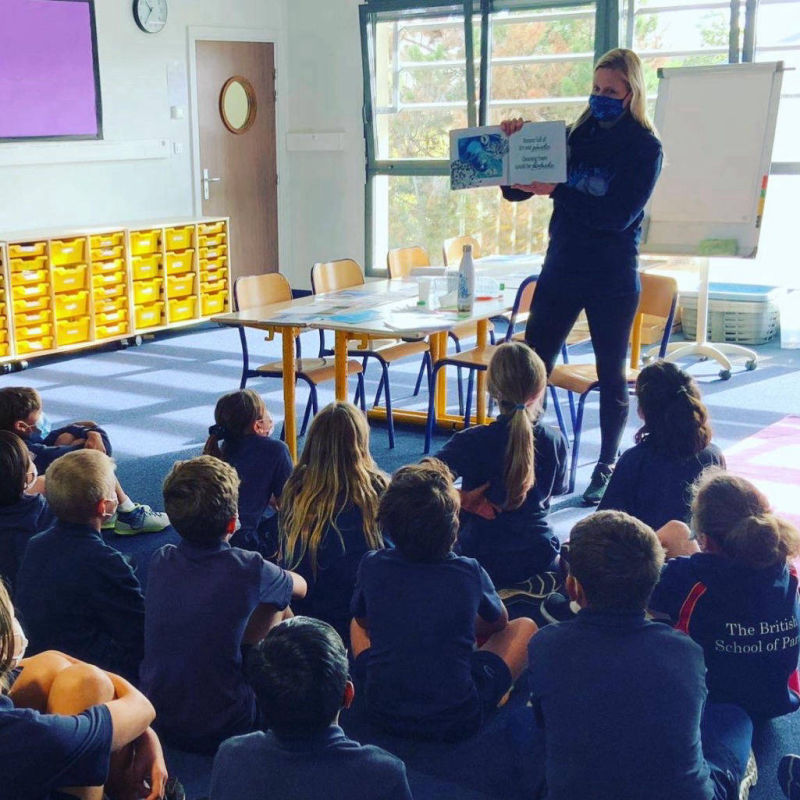
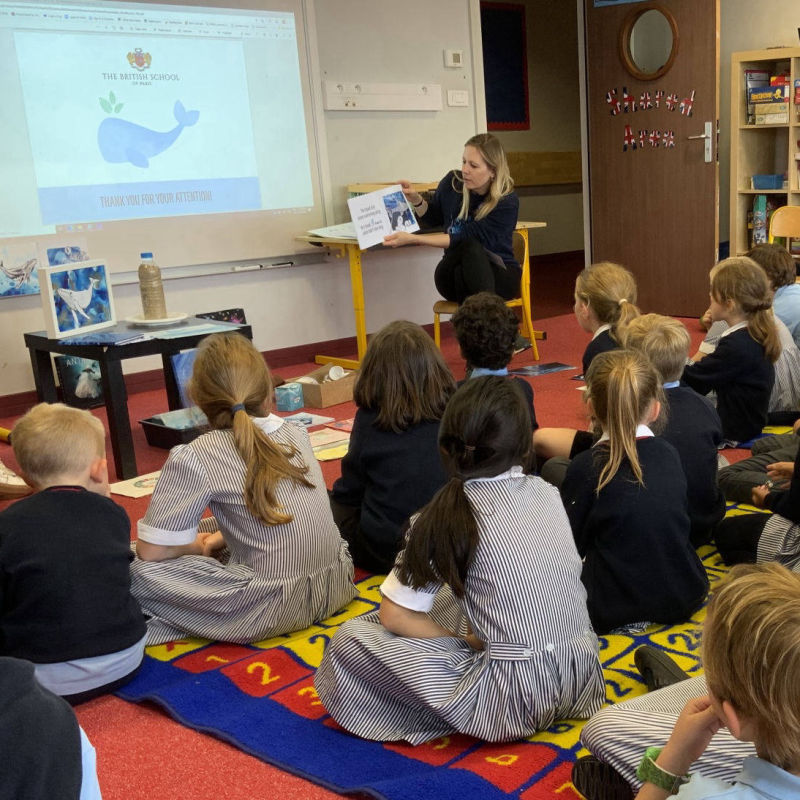
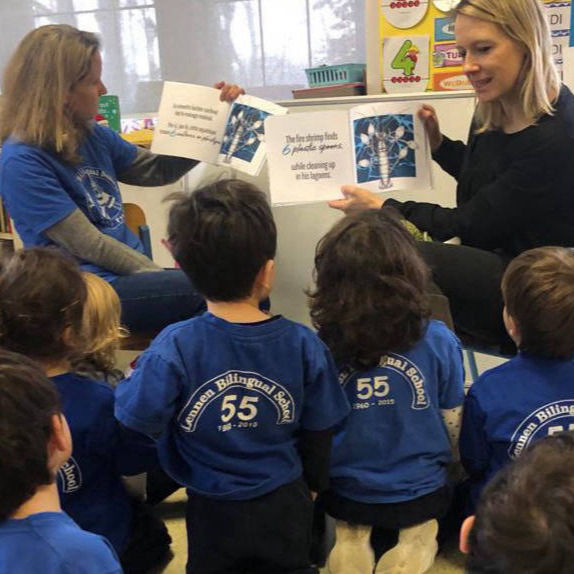
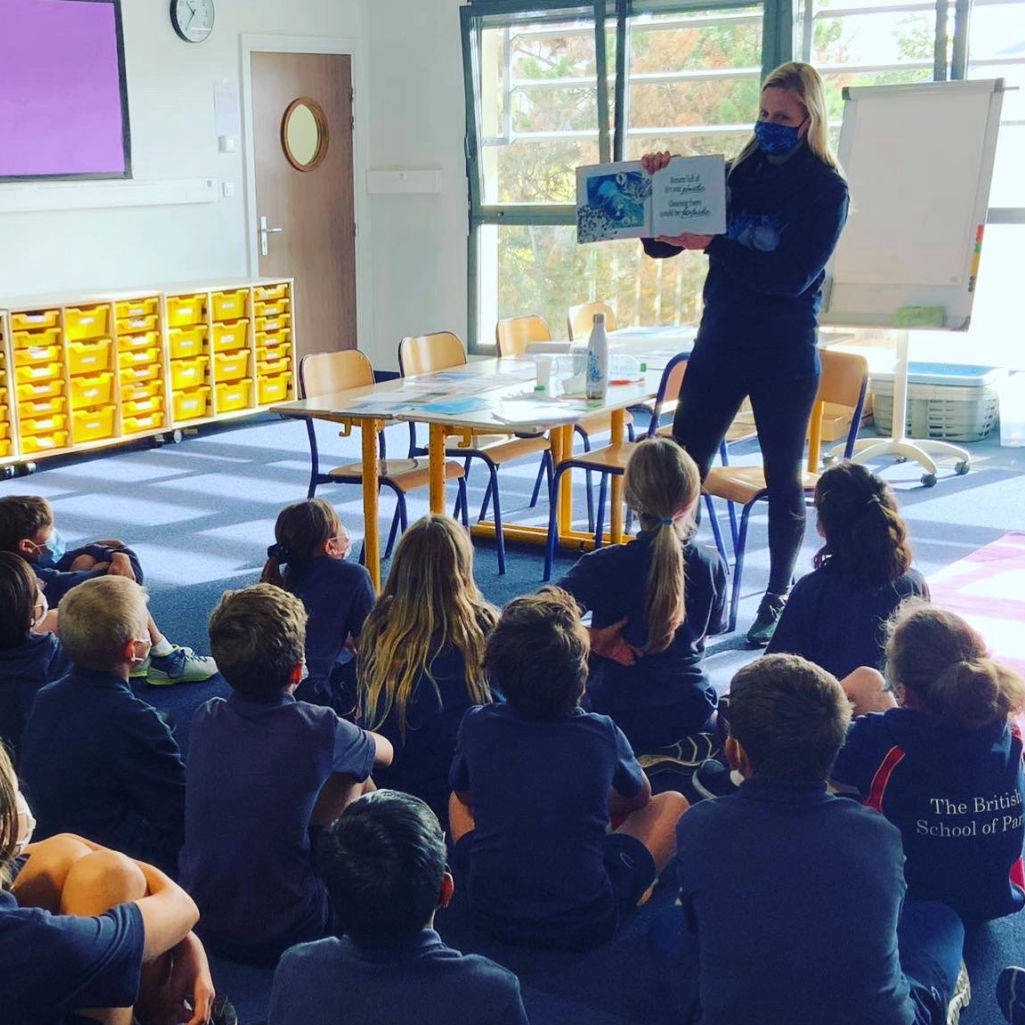
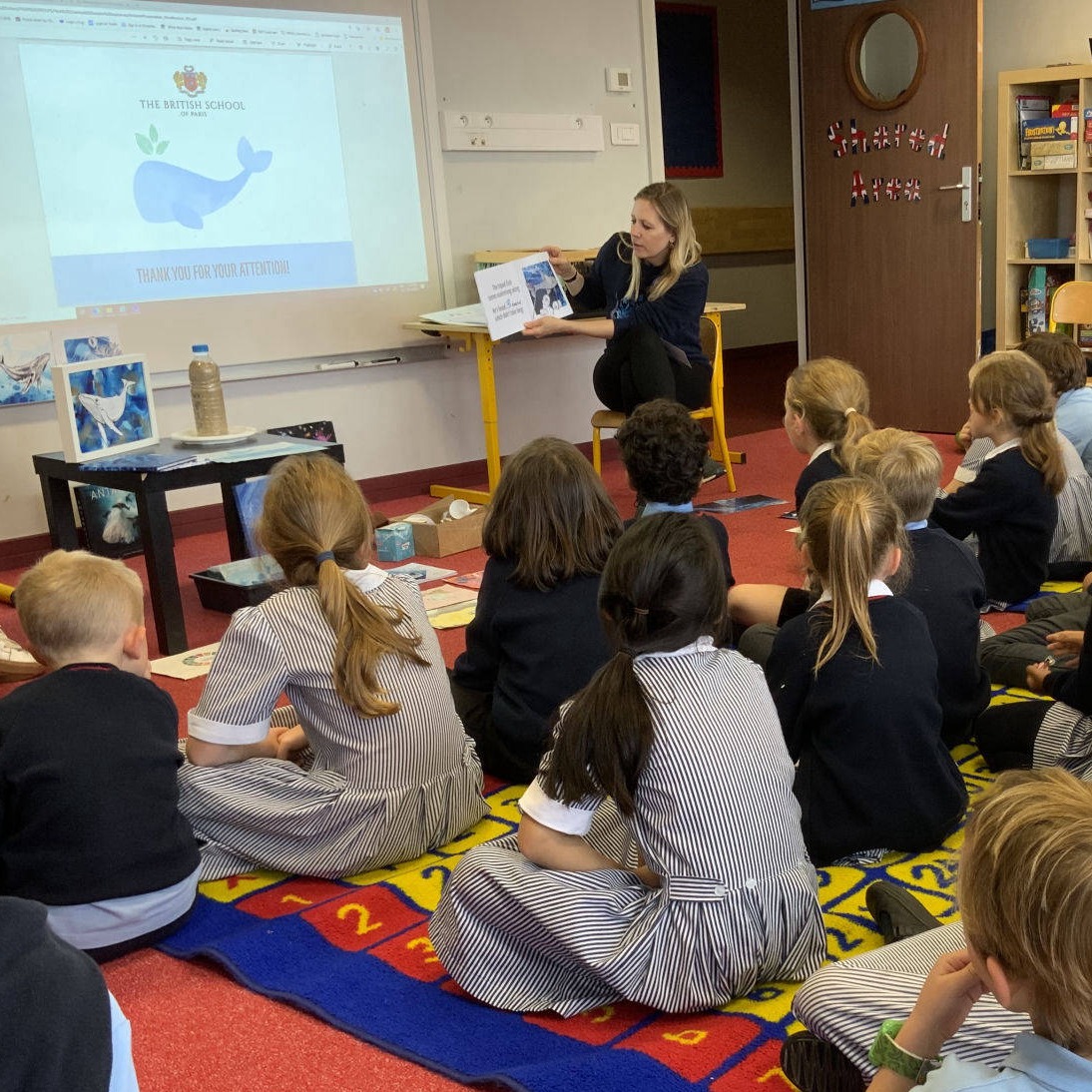
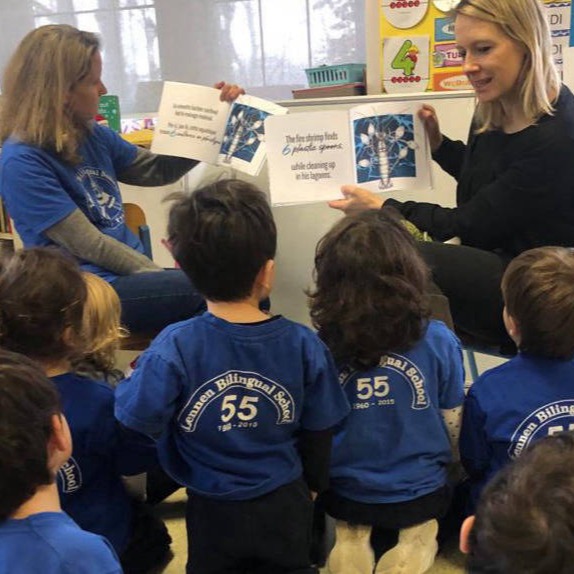
STORY TIME

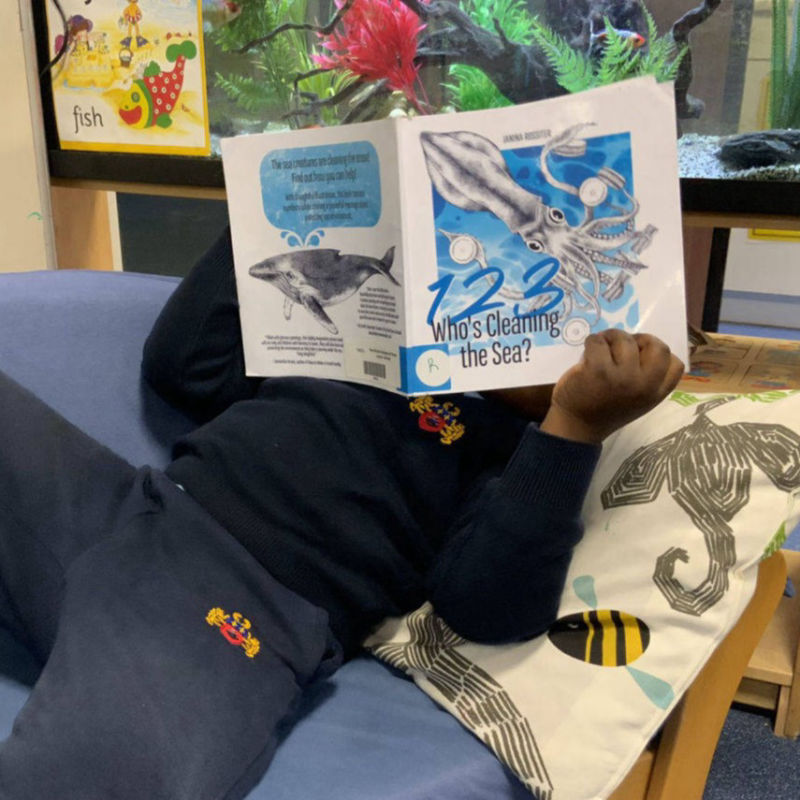
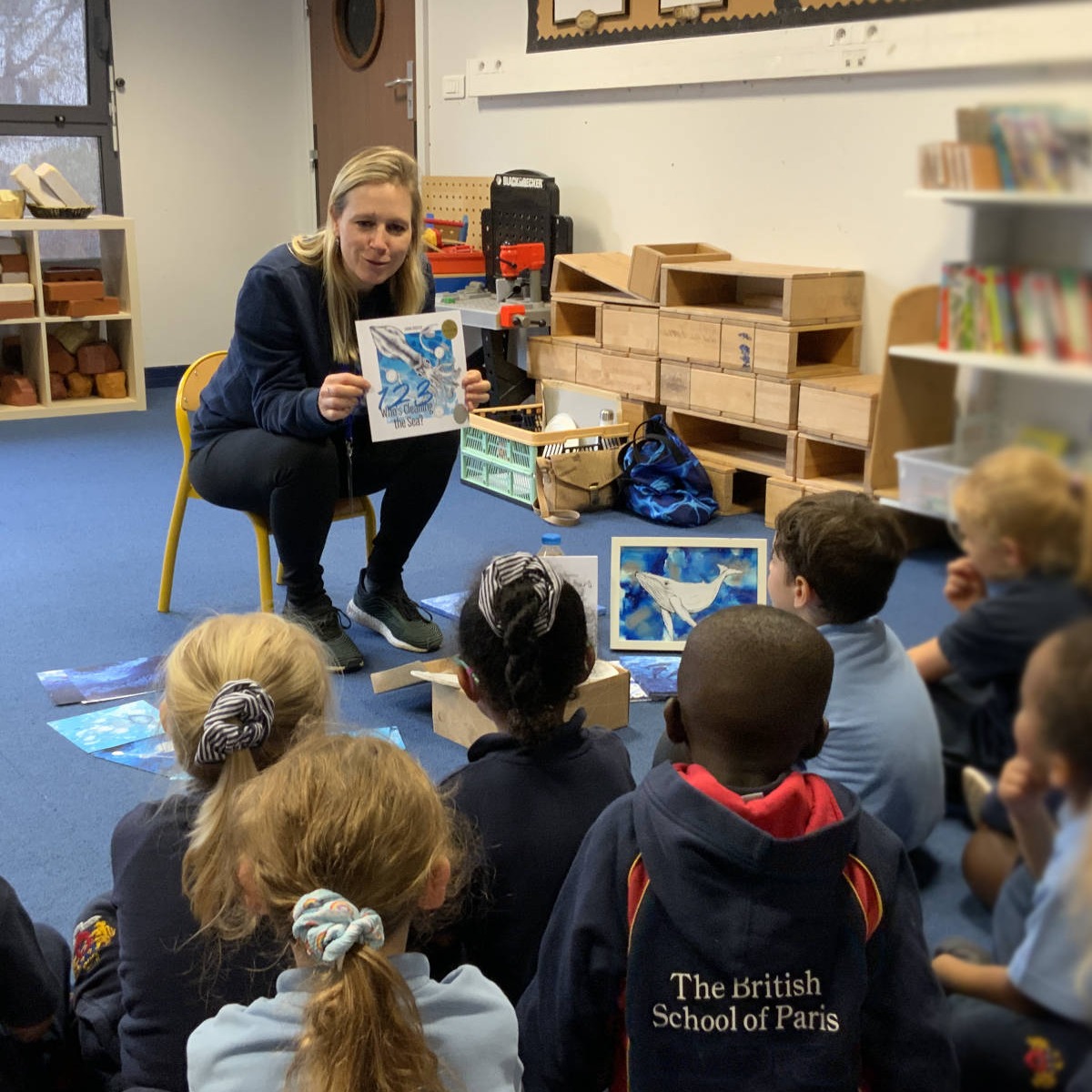
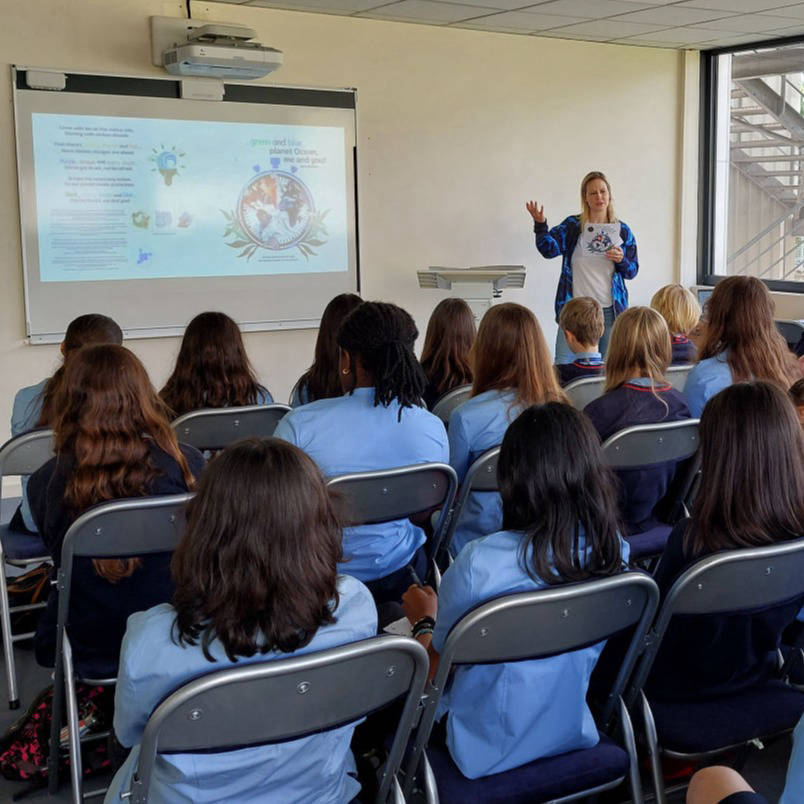
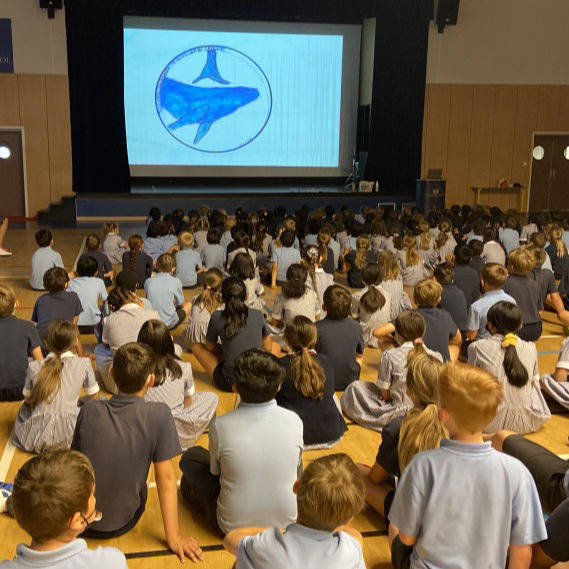
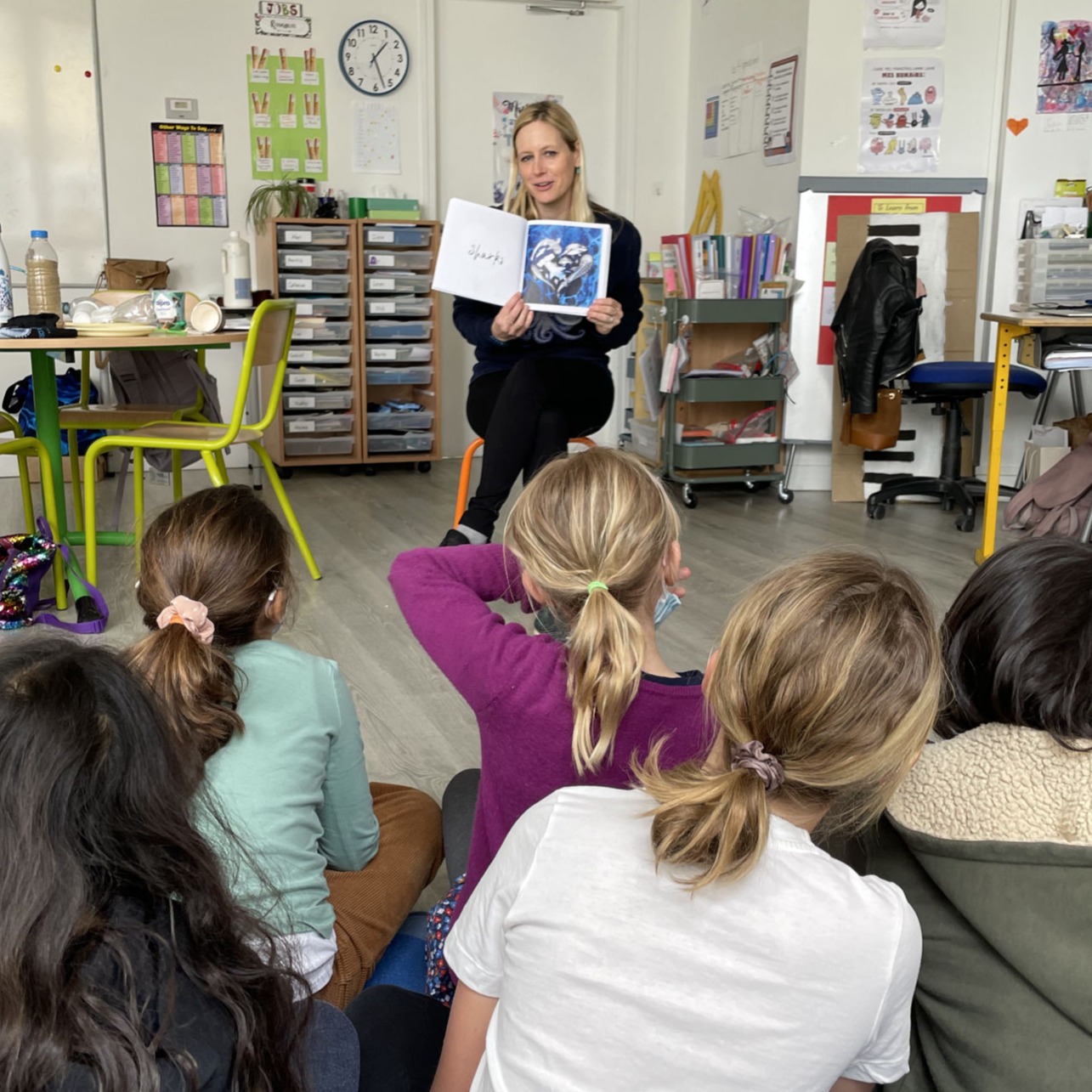
The first part of every school visit is story time. I've written and illustrated a collection of children's books that I use as educational tools to introduce environmental topics...

READ MORE

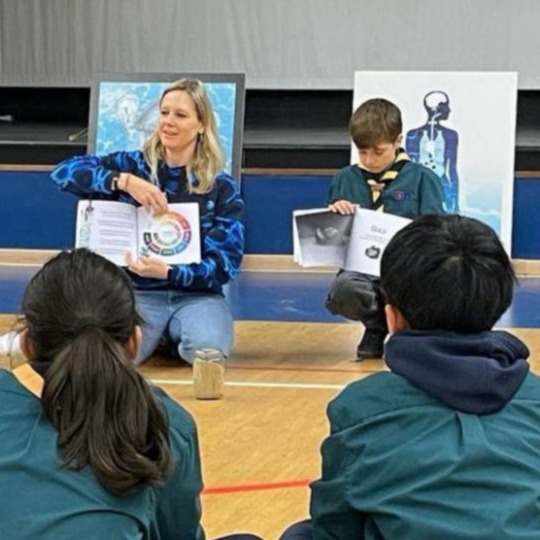
EDUCATION

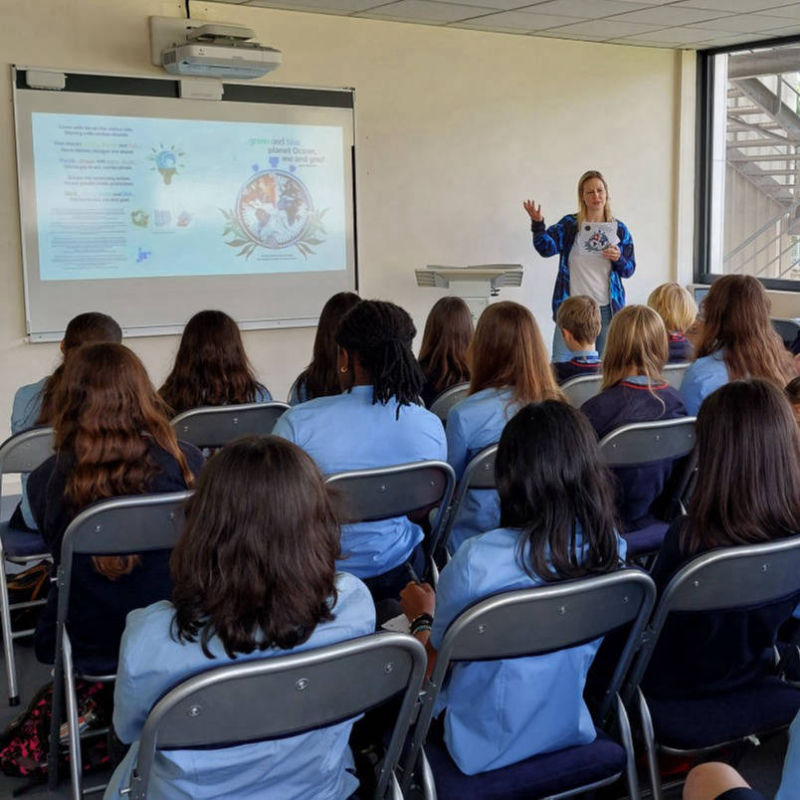
After story time, we move on to the educational part of the visit, where we explore some of the environmental challenges our planet is facing...

READ MORE

ARTIVISM

Creating artwork is the moment where knowledge transforms into something personal. After learning about environmental challenges, we take time to reflect on what we have discovered...

READ MORE

INSPIRING OTHERS

Inspiring others is where personal change begins to create a ripple effect. Real change often begins in a simpler way - by showing what is possible through our own actions...

READ MORE

COMMUNICATION

Can help turn awareness into action. People can only make changes when they understand what they can do and why it matters. By sharing ideas through posters, we can encourage others to rethink everyday habits...

READ MORE

MURALS

SCHOOL ARTIVISM 

WORKSHOP

Story Time 

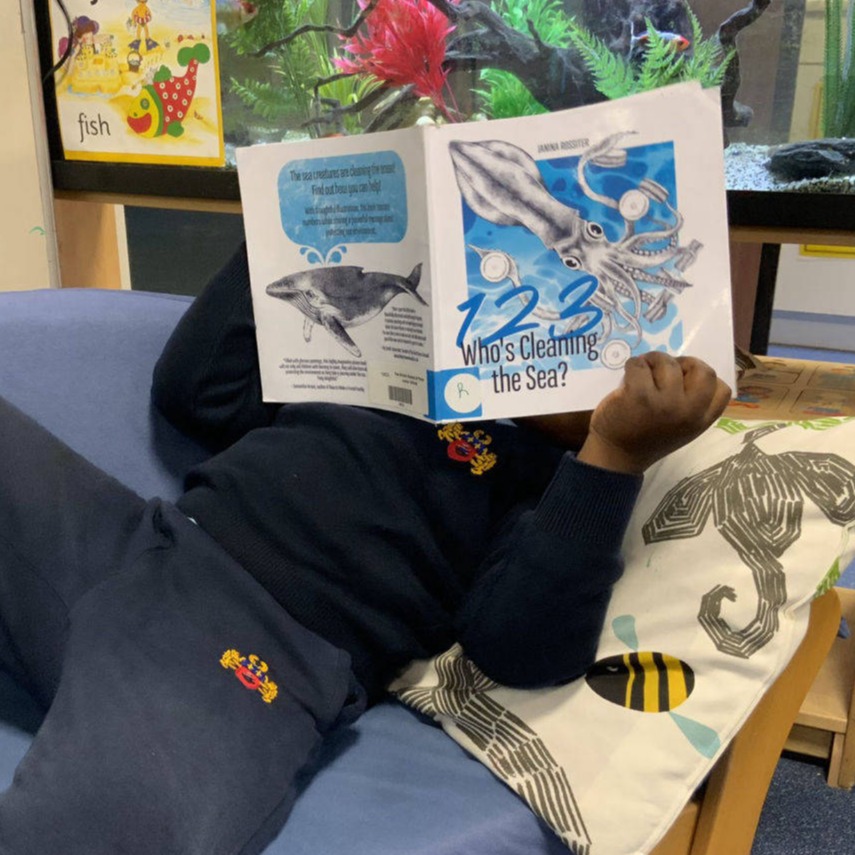
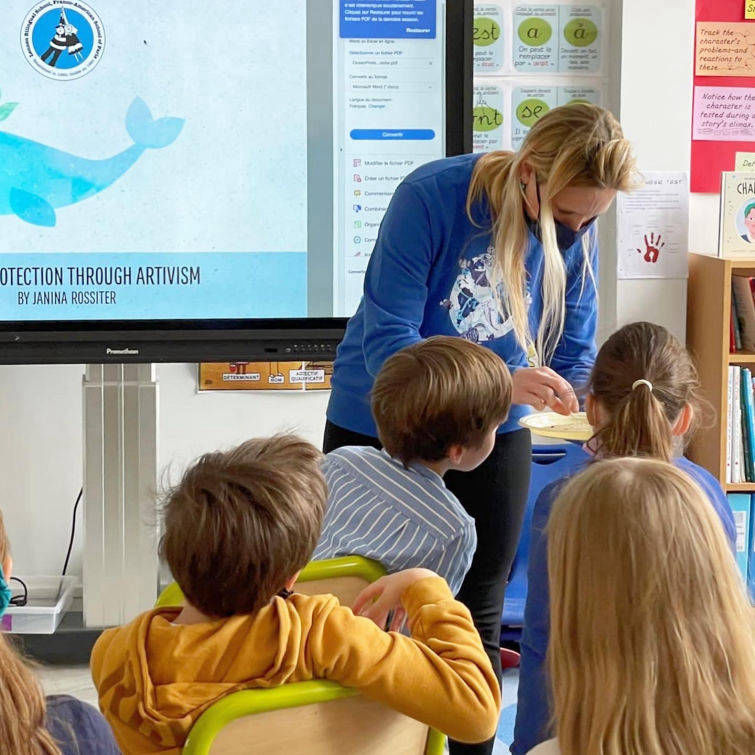
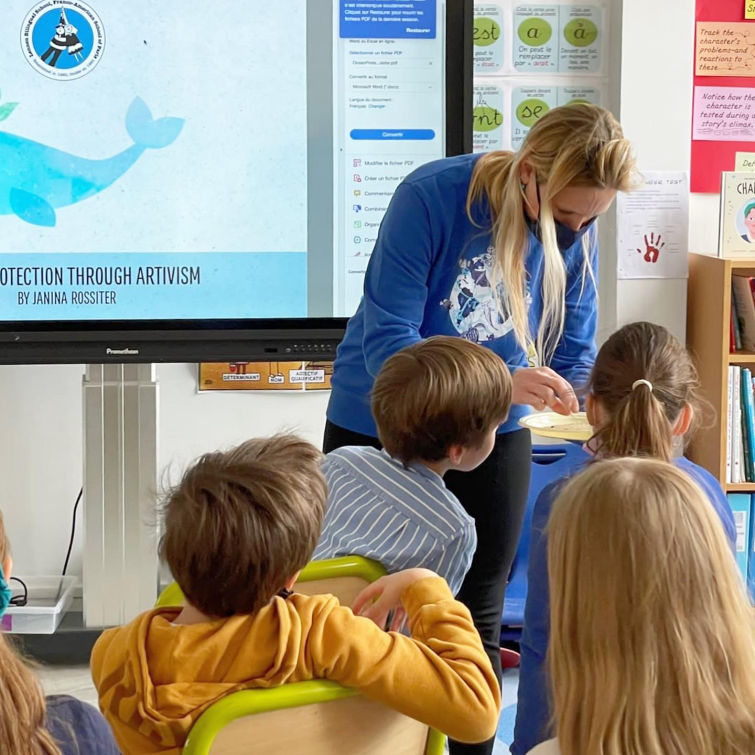
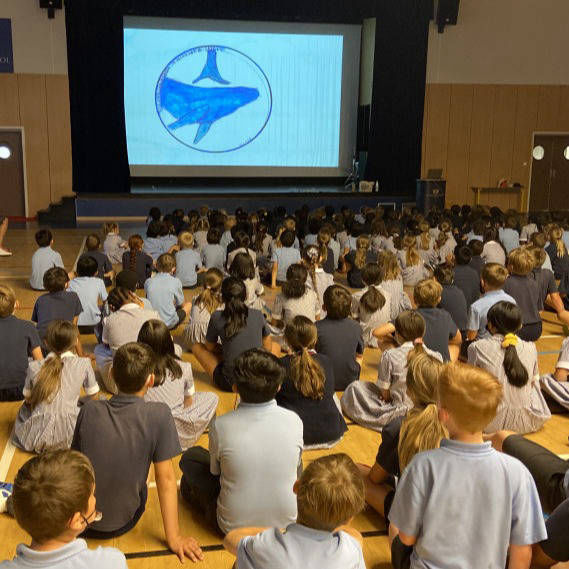
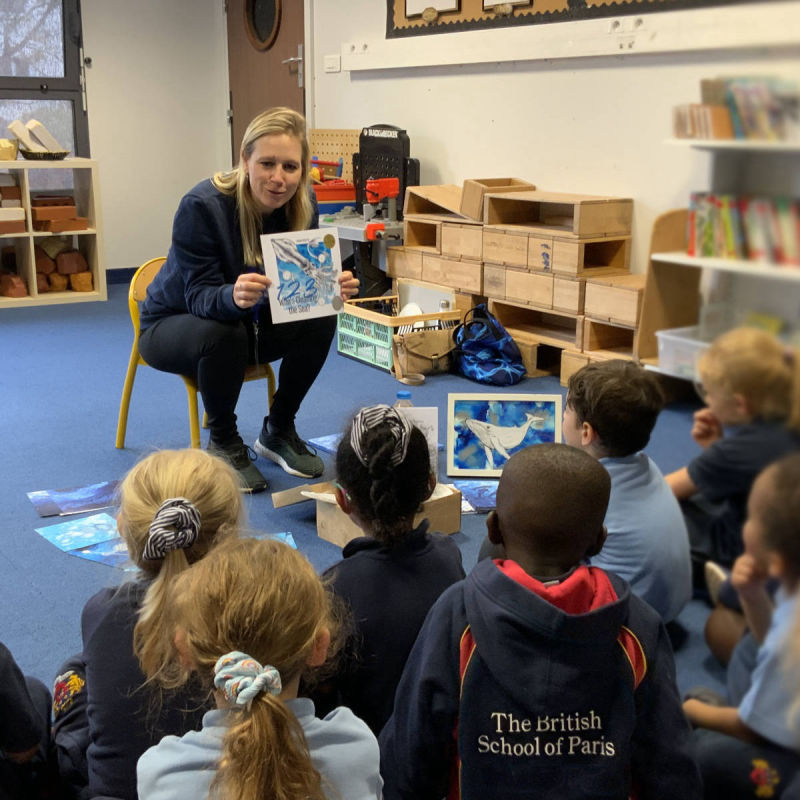
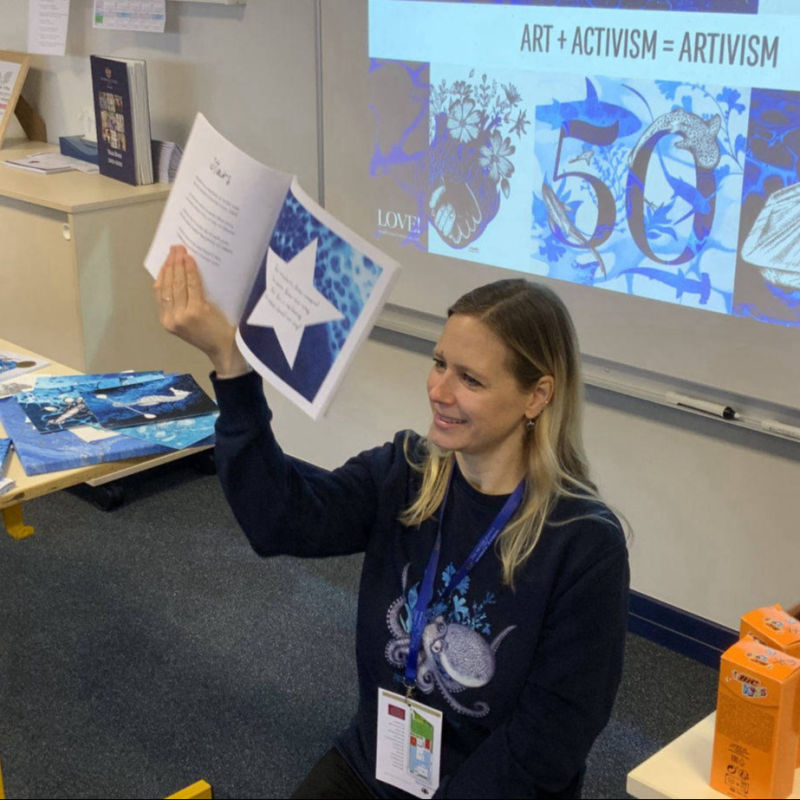
The first part of every school visit is story time. I've written and illustrated a collection of children's books that I use as educational tools to introduce environmental topics in a way that is engaging, hopeful, and age-appropriate. Stories allow children to connect emotionally with a subject before we begin exploring the science and the challenges behind it.

Rather than focusing on fear, I want children to discover the beauty of our planet, ask questions, and feel inspired to protect it. Through storytelling, we explore topics such as ocean pollution, biodiversity, climate change, and our relationship with the natural world without overwhelming young readers. My aim is to spark curiosity, encourage conversations, and help children realise that they, too, can make a positive difference.

Books to choose from:
• ABC Animal Picnic 
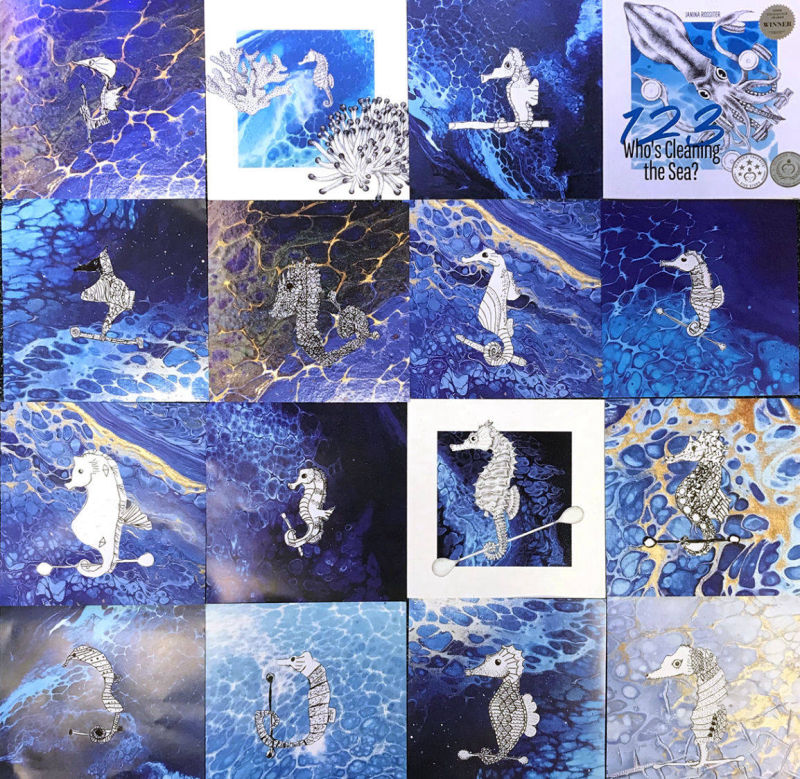
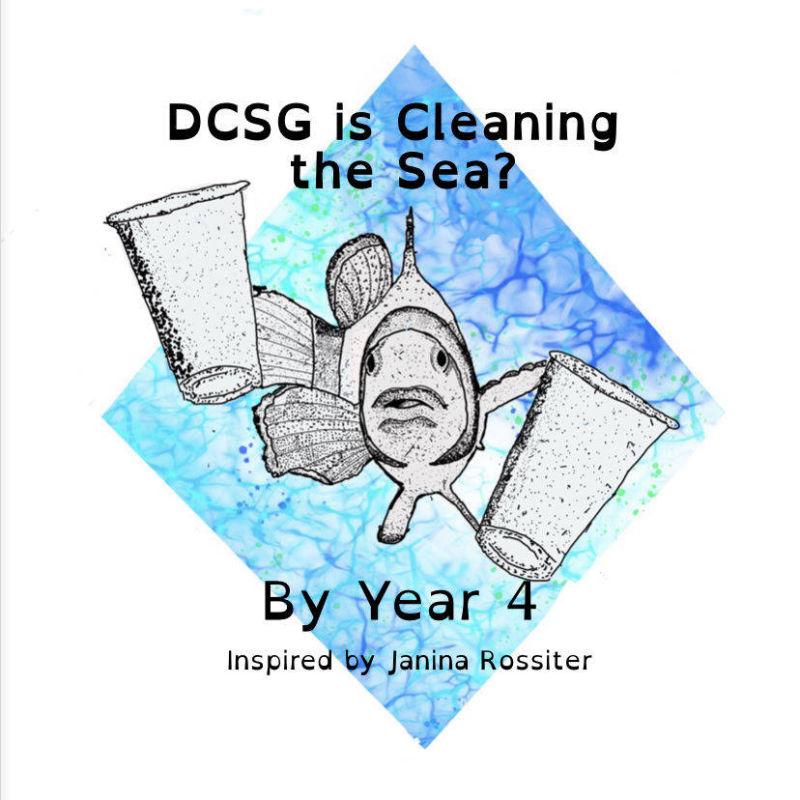
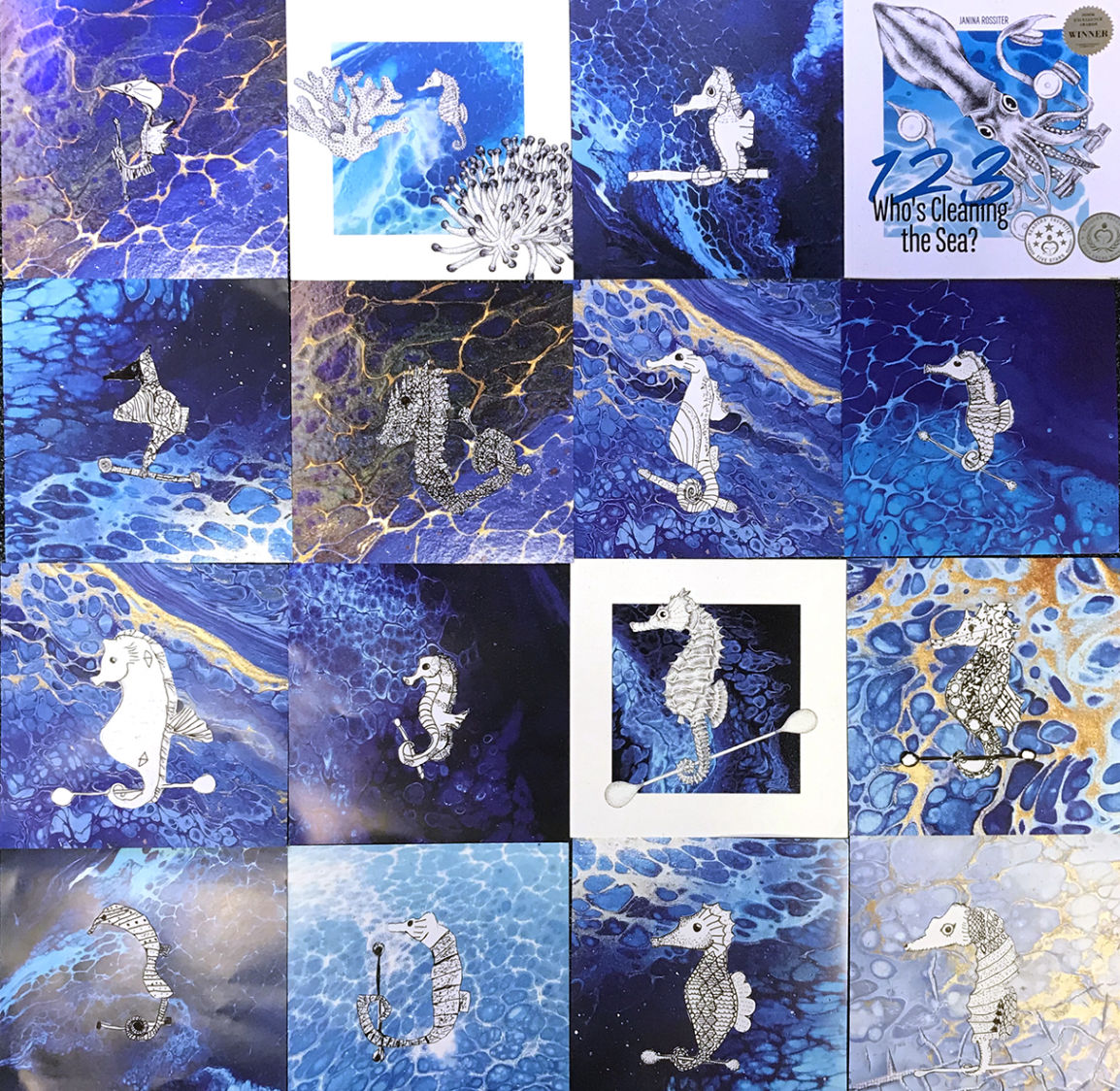
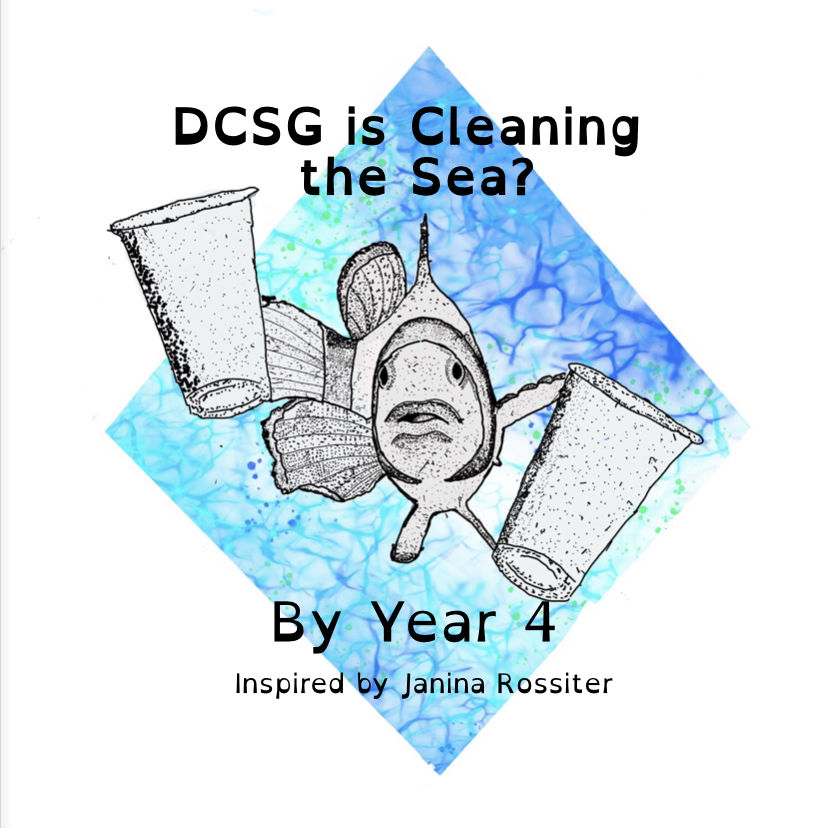
• 1, 2, 3, Who's Cleaning the Sea?
• Diamonds, Hearts and Sea Stars
• Green and Blue, Planet Ocean, Me and You


A quick overview of my books: 1, 2, 3, Who's Cleaning the Sea? (All ages) is an interactive counting book that introduces ocean pollution through the eyes of marine animals, inspiring children to help protect our oceans. Diamonds, Hearts and Sea Stars (Year 4 and above) celebrates the beauty of our oceans while introducing biodiversity loss and ocean conservation. Green and Blue, Planet Ocean, Me and You! (Early Years) is a colour-themed picture book introducing young children to our changing planet and the effects of climate change. ABC Animal Picnic (Early Years) is a playful alphabet book that introduces animals from A to Z through alliteration and simple storytelling.
Education 

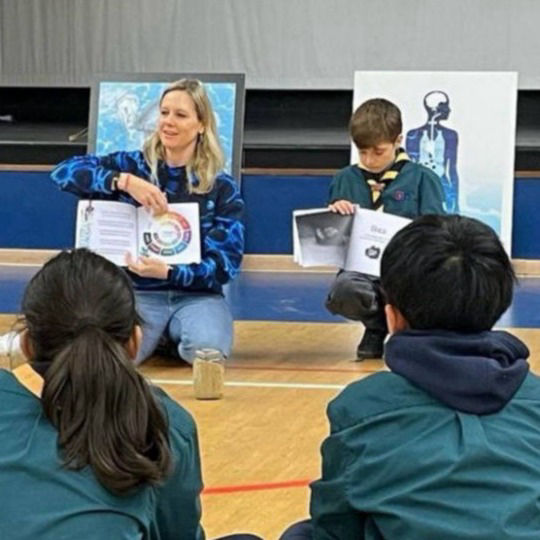
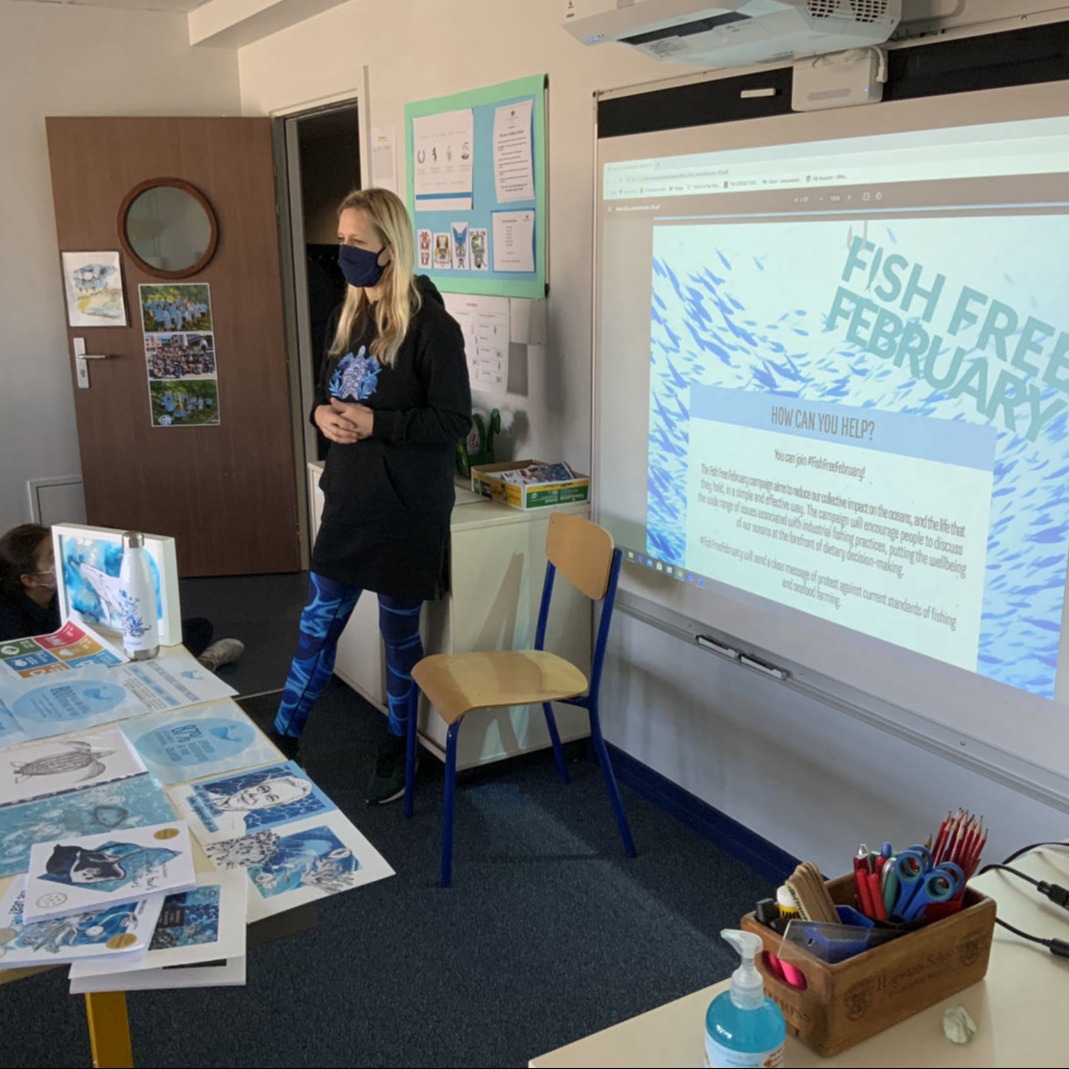
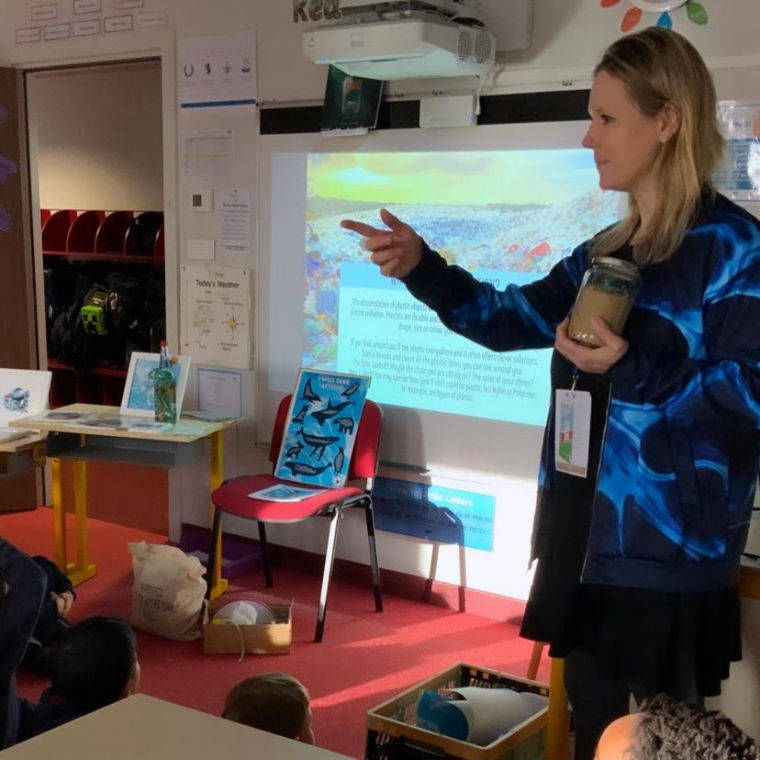
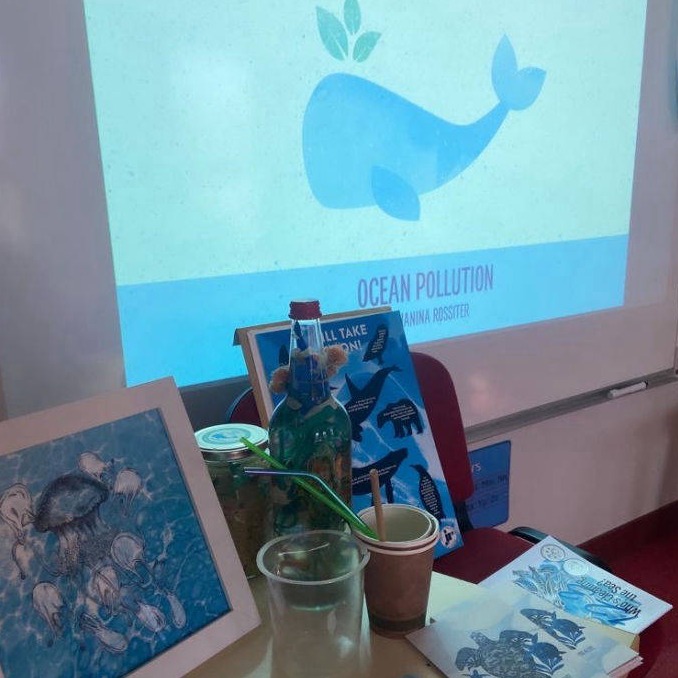
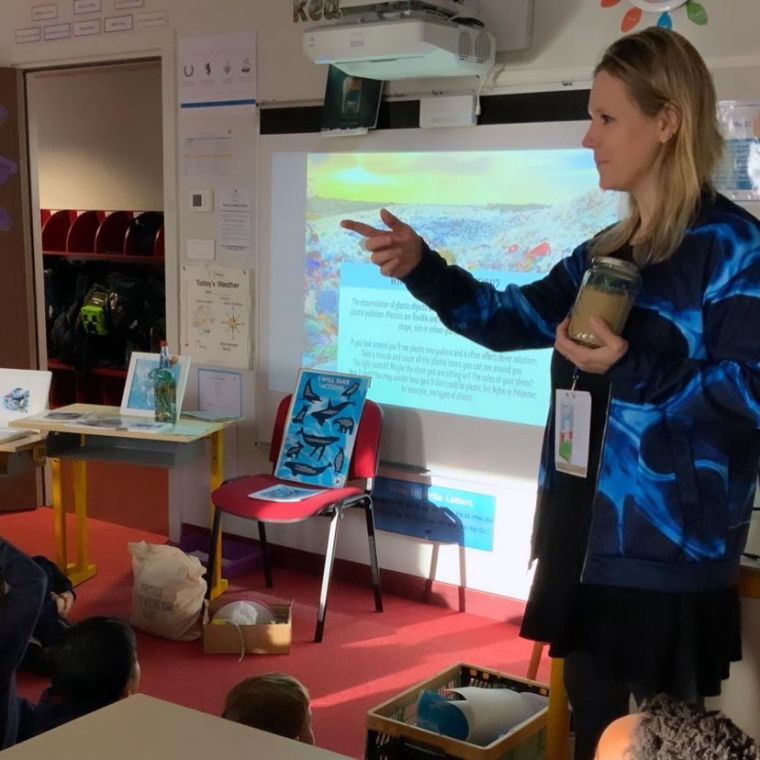
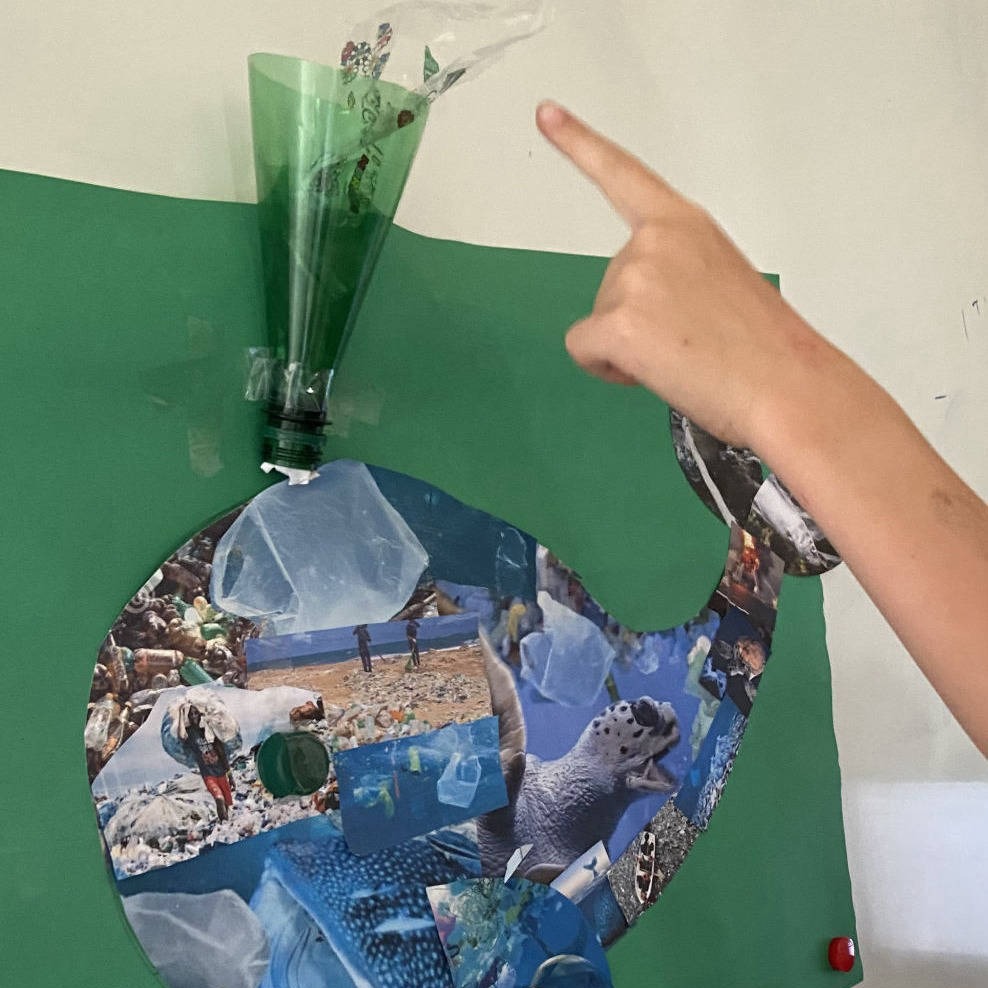
After story time, we move on to the educational part of the visit, where we explore some of the environmental challenges our planet is facing, including ocean pollution, climate change, biodiversity loss, plastic waste, overconsumption, and sustainable living. I believe meaningful change begins with understanding, so I always encourage children to ask questions, think critically, and take part in the discussion rather than simply listening to a presentation.
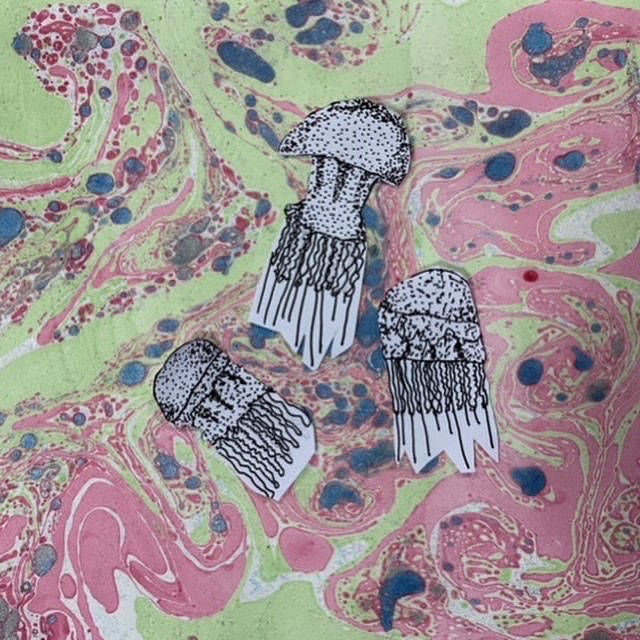
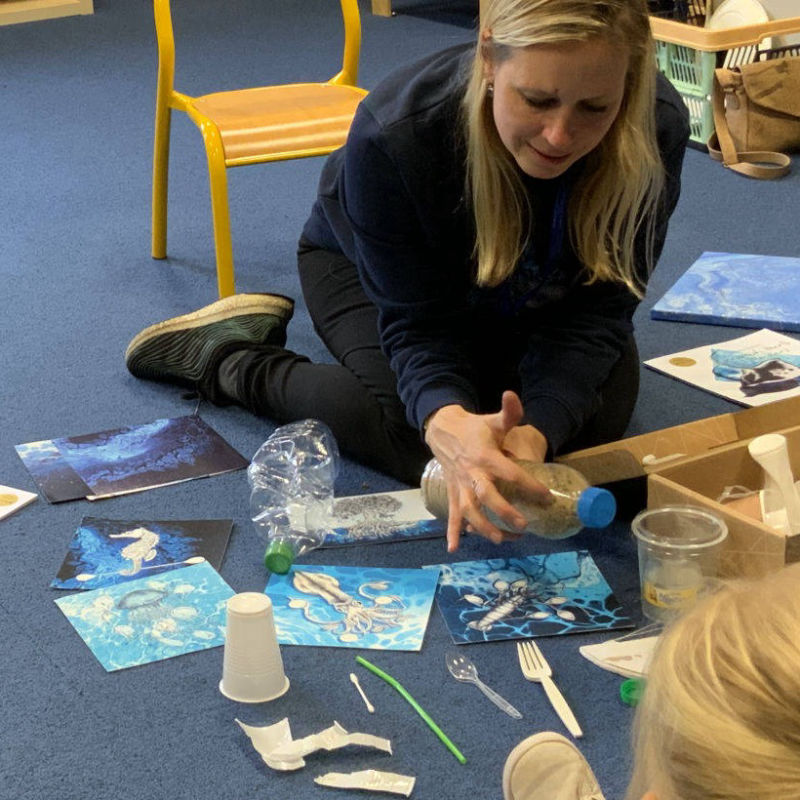
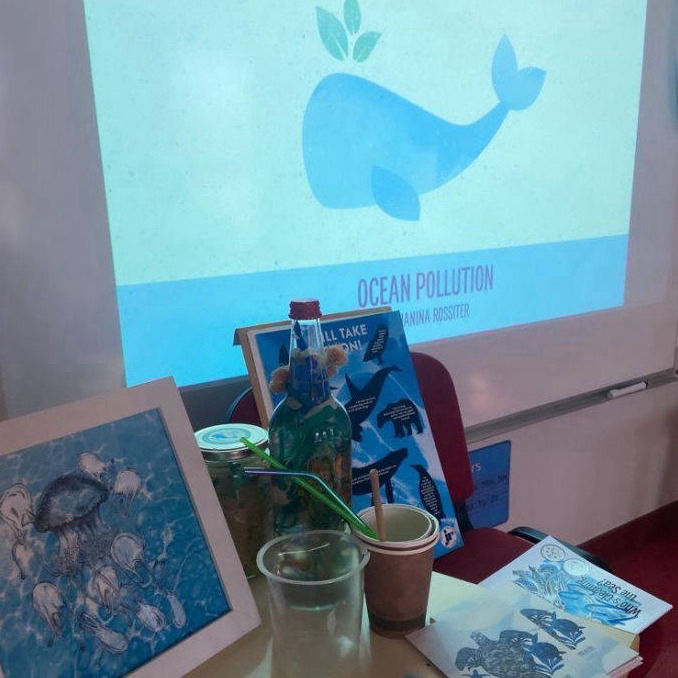
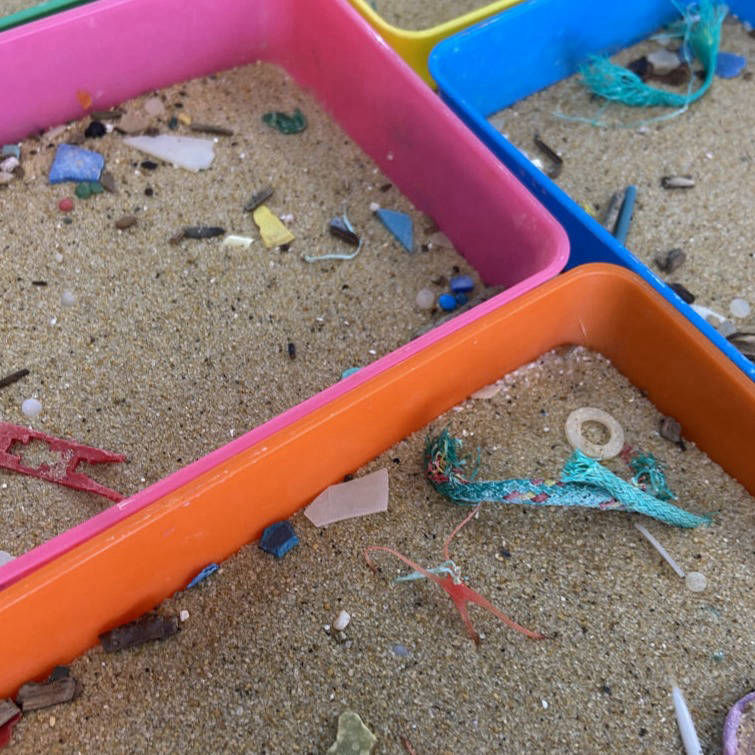
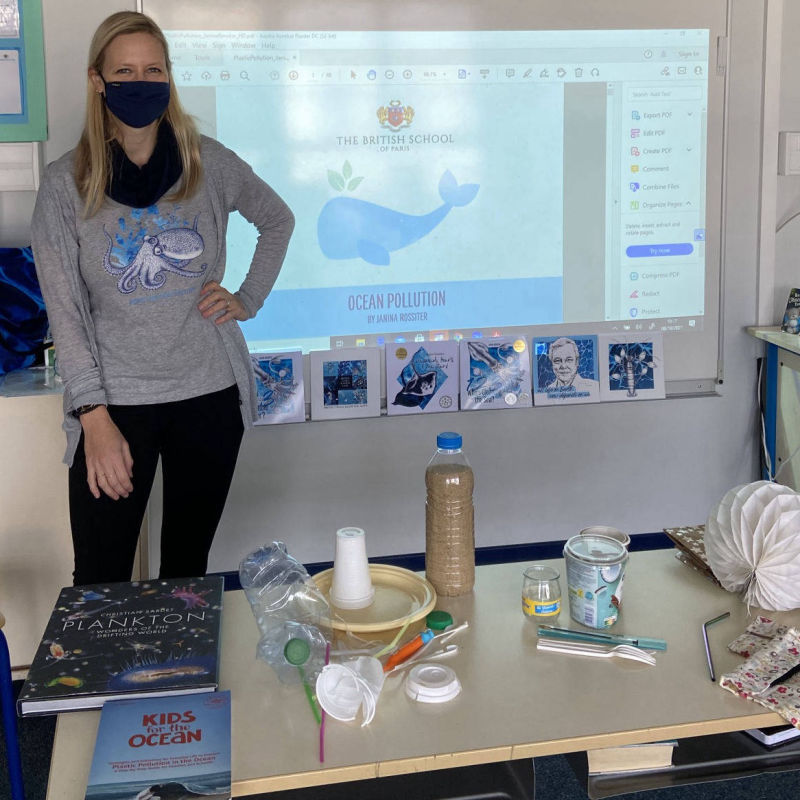
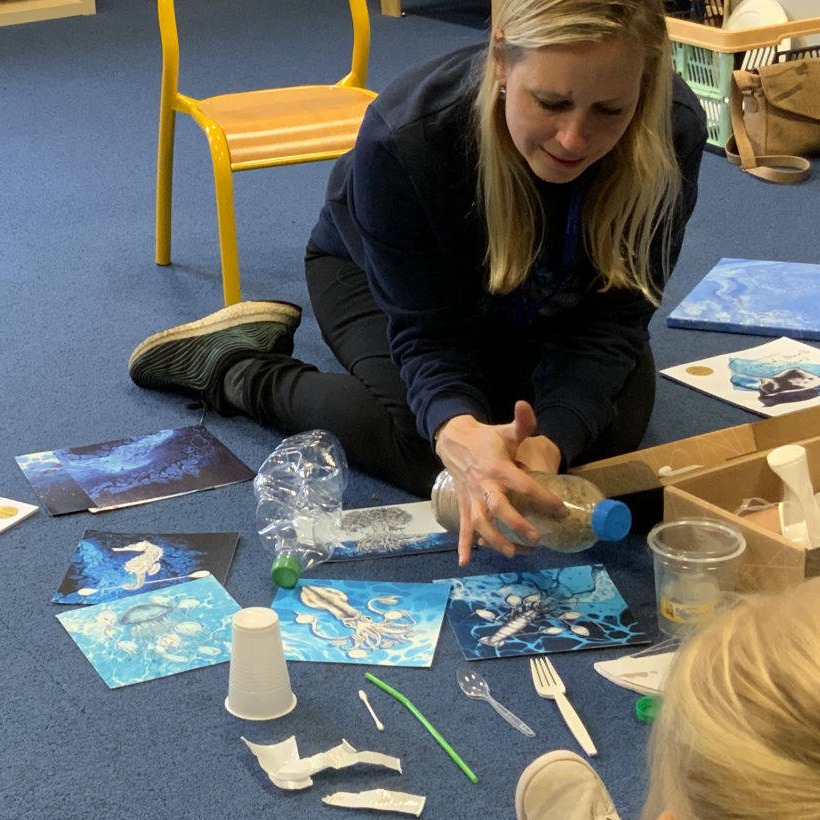
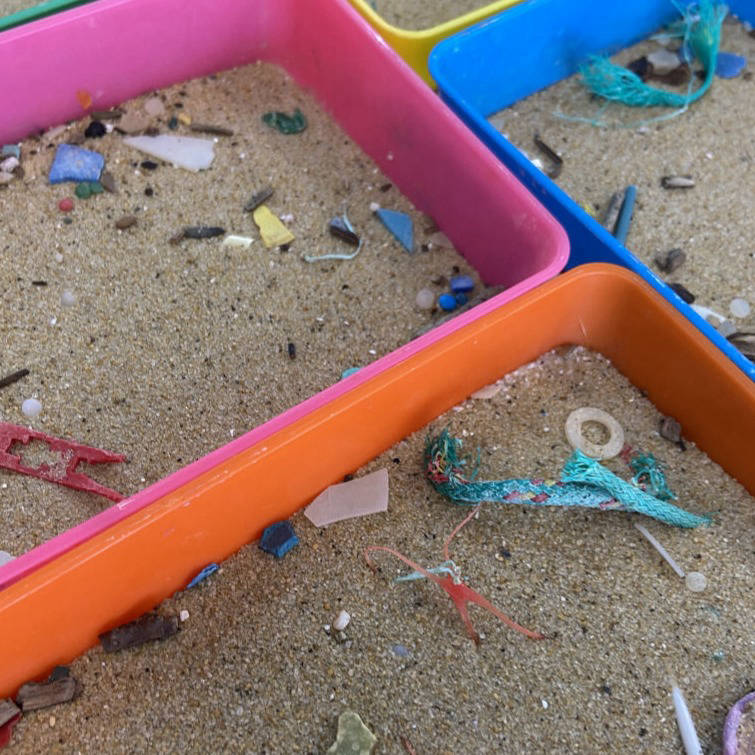
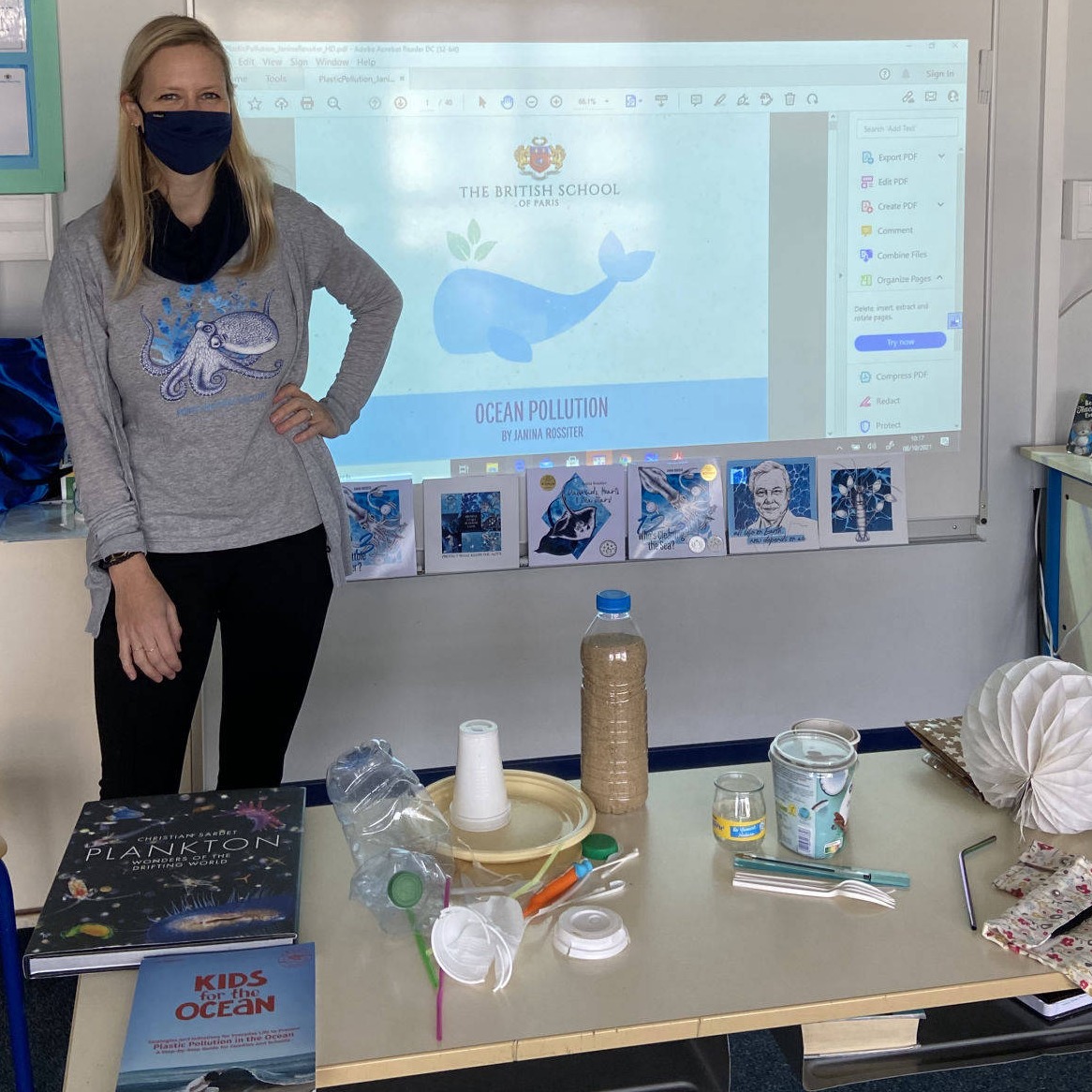
To make the sessions as engaging and interactive as possible, I've developed a range of presentations and hands-on learning boxes filled with objects that children can identify, examine, and learn from. We explore everyday items and look at the journey behind them - where they come from, how they are produced, how they are used, and what happens when they become waste.

Each workshop is adapted to the age group and the themes being explored. For example, we might investigate plastic pollution by looking at how plastic reaches our oceans, why it does not biodegrade, and the impact of microplastics on marine life. We might explore overconsumption and the fashion industry by looking at clothing labels, sustainable materials, recycling, and the importance of recognising greenwashing. Other discussions include how we can reduce waste, protect natural resources, and make more conscious choices in our everyday lives.
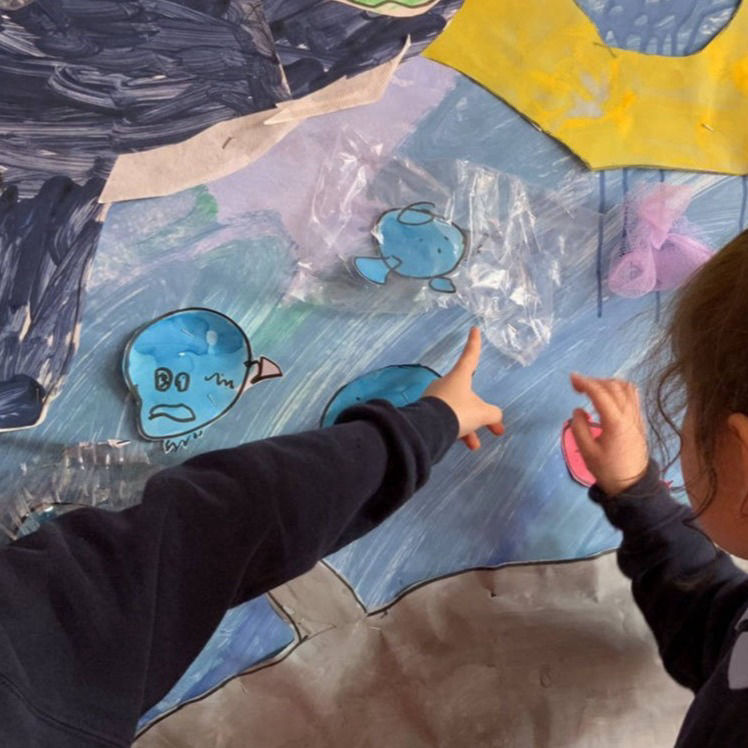
I am very conscious that environmental issues can sometimes feel overwhelming, especially for younger children. Rather than focusing on fear, my workshops aim to leave children feeling informed, hopeful, and empowered. My goal is for every child to leave with a better understanding of the challenges our planet faces and the confidence that they, too, can become change makers in their own communities.

ARTIVISM 

Creating Change Through Art

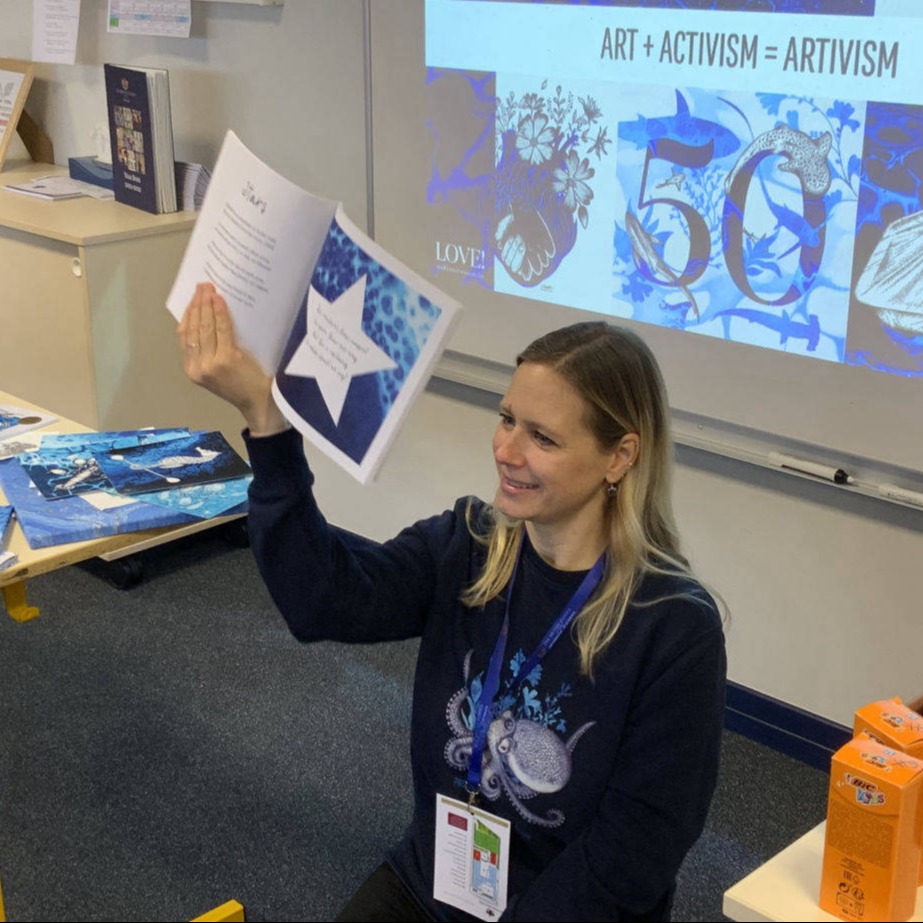
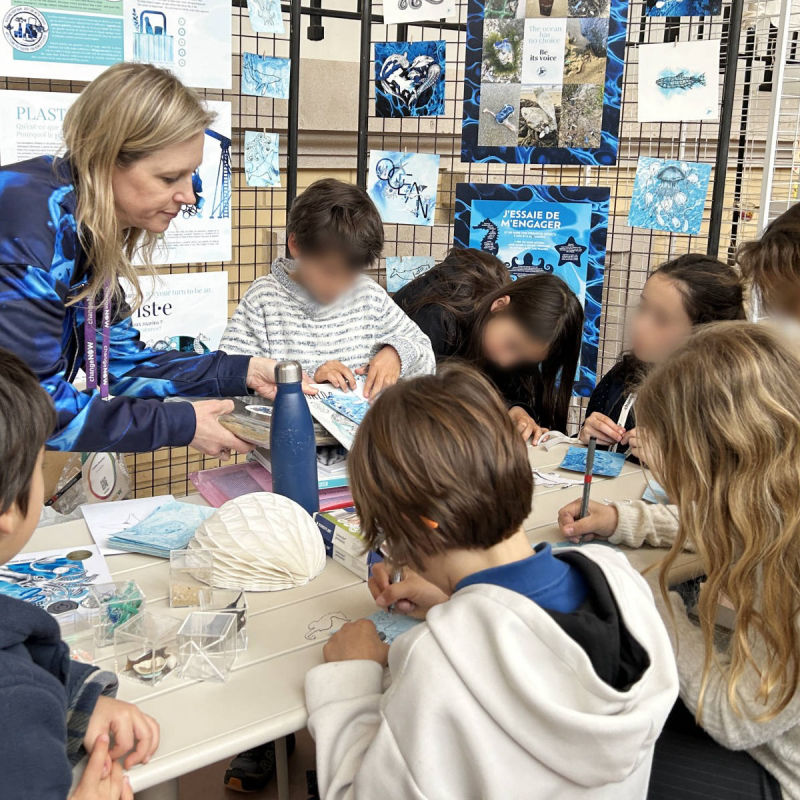
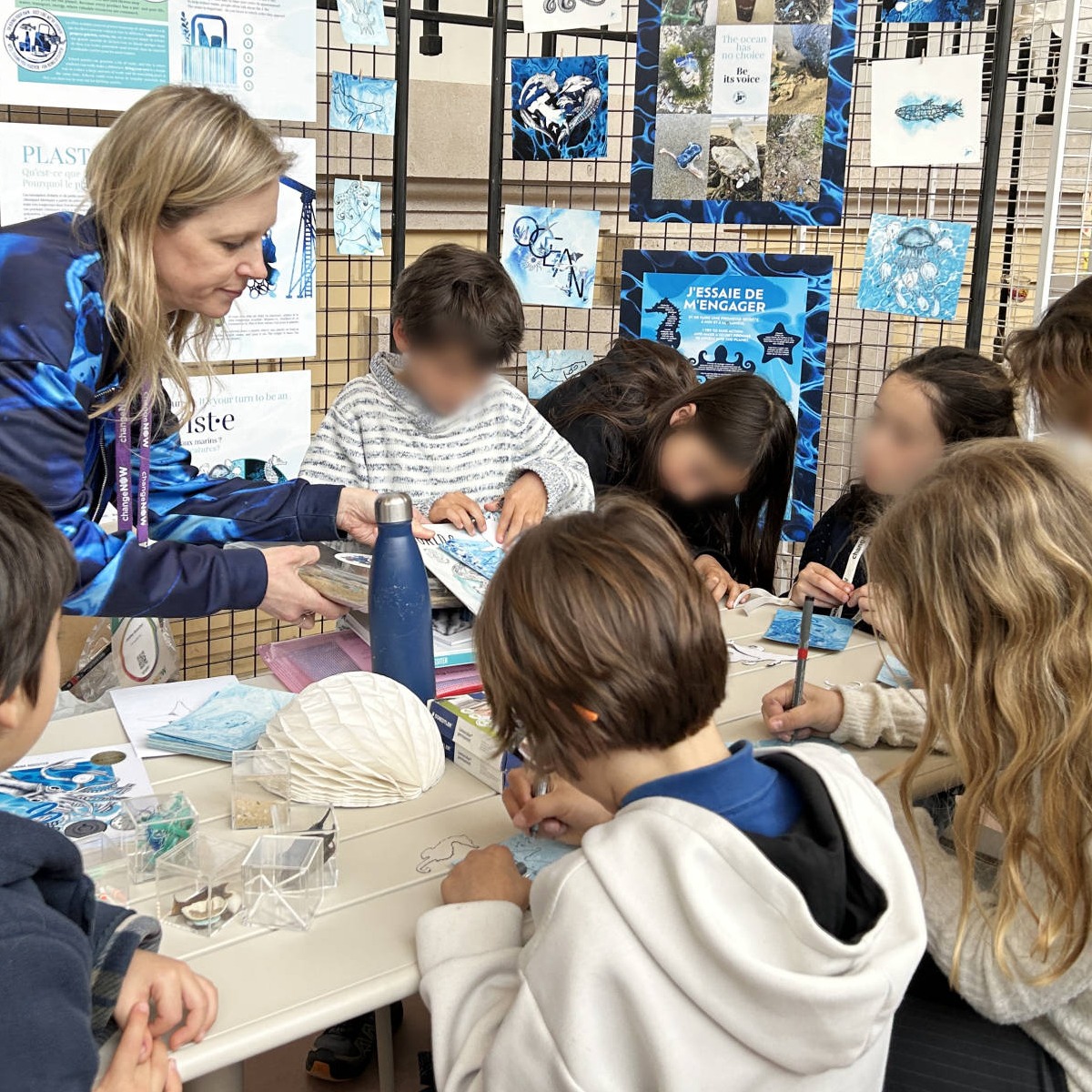
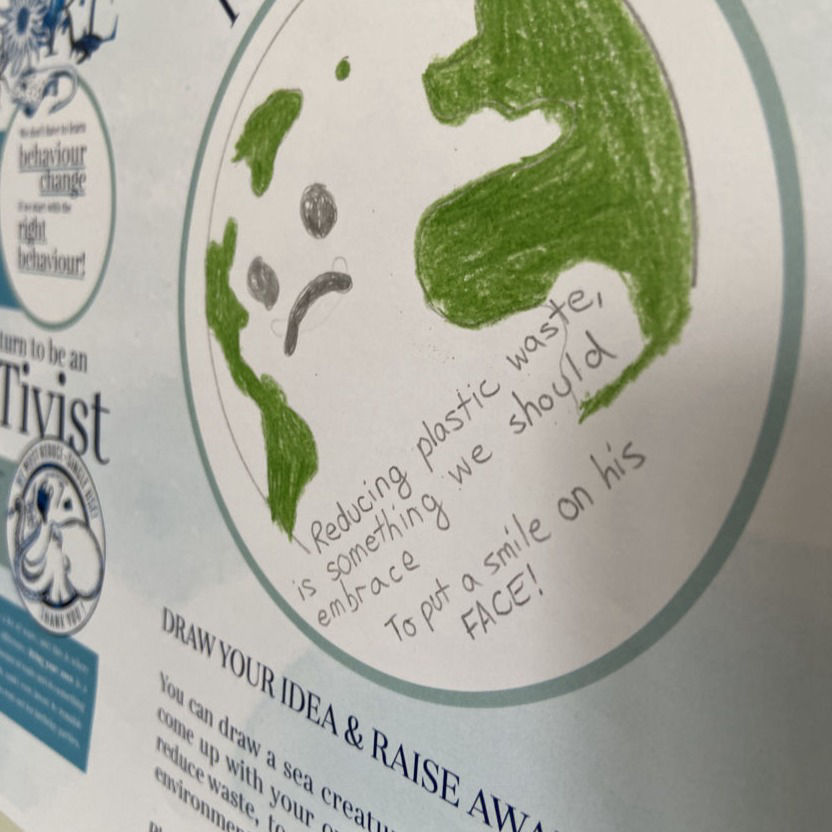
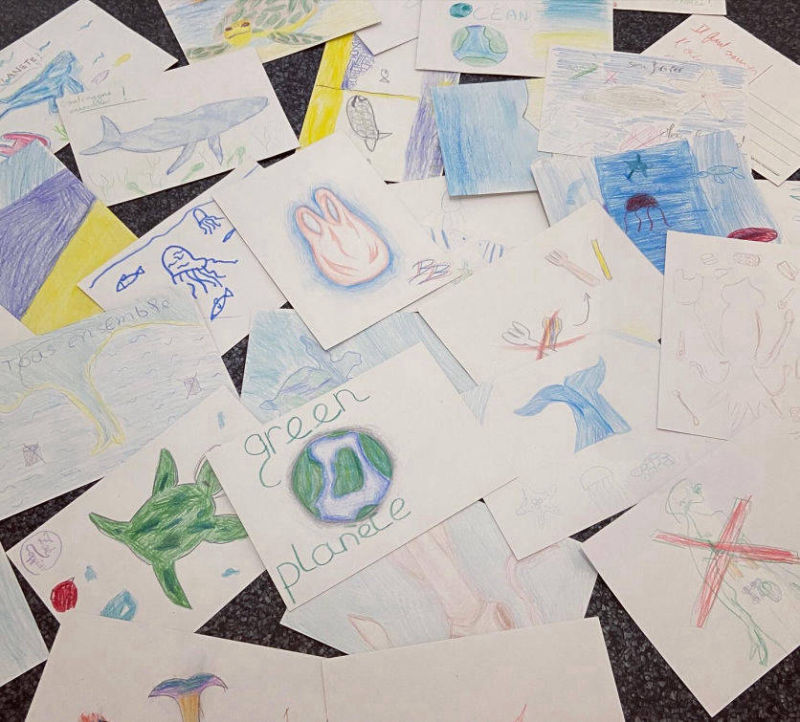
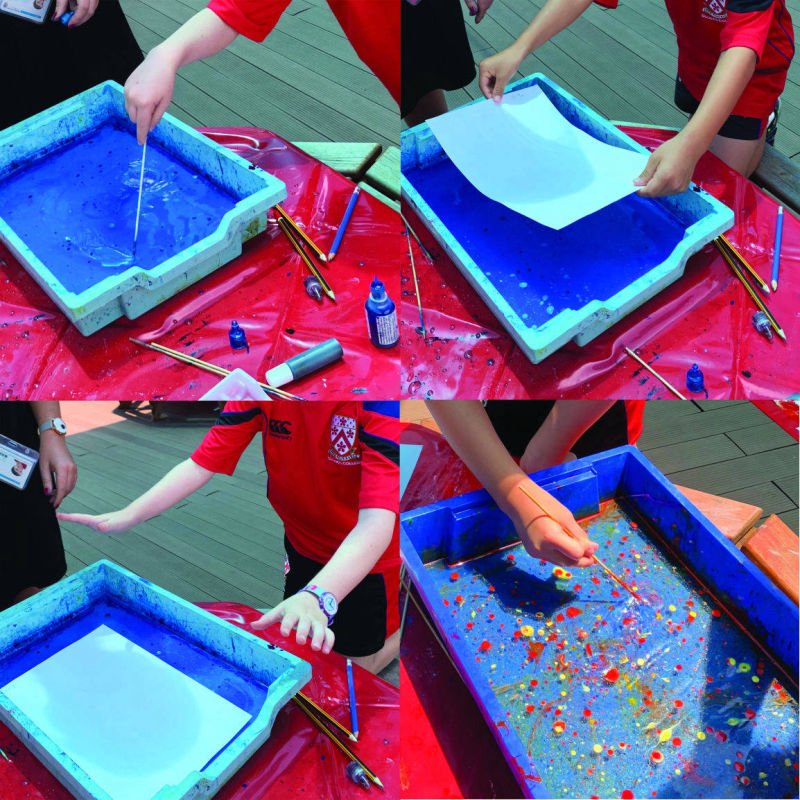
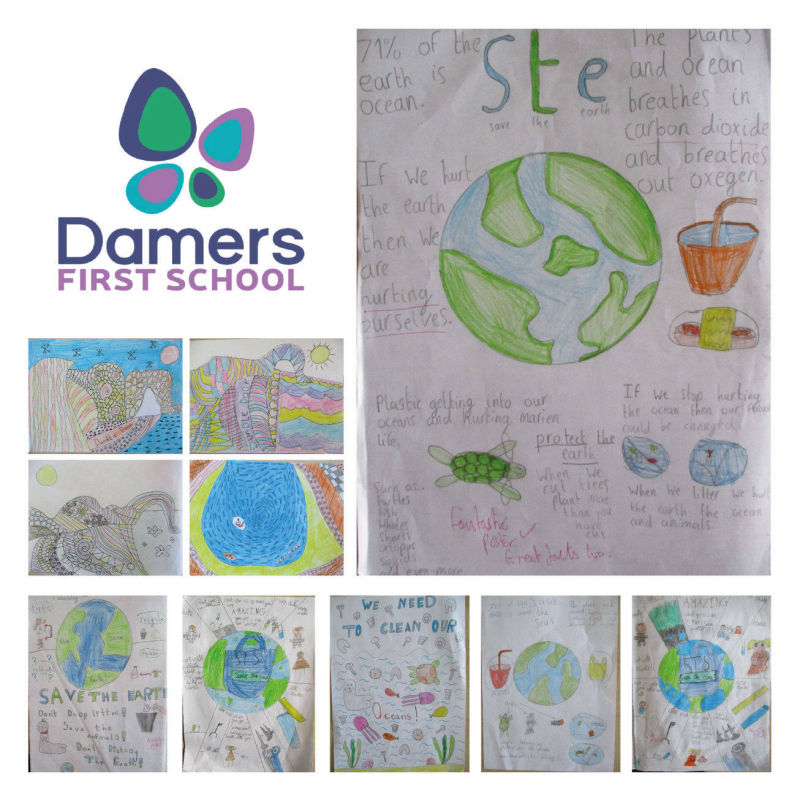
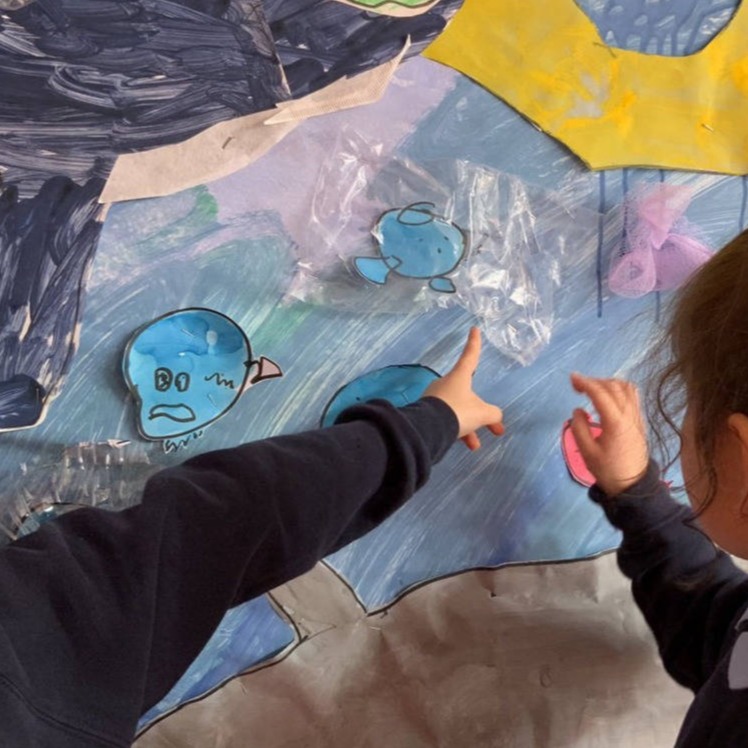
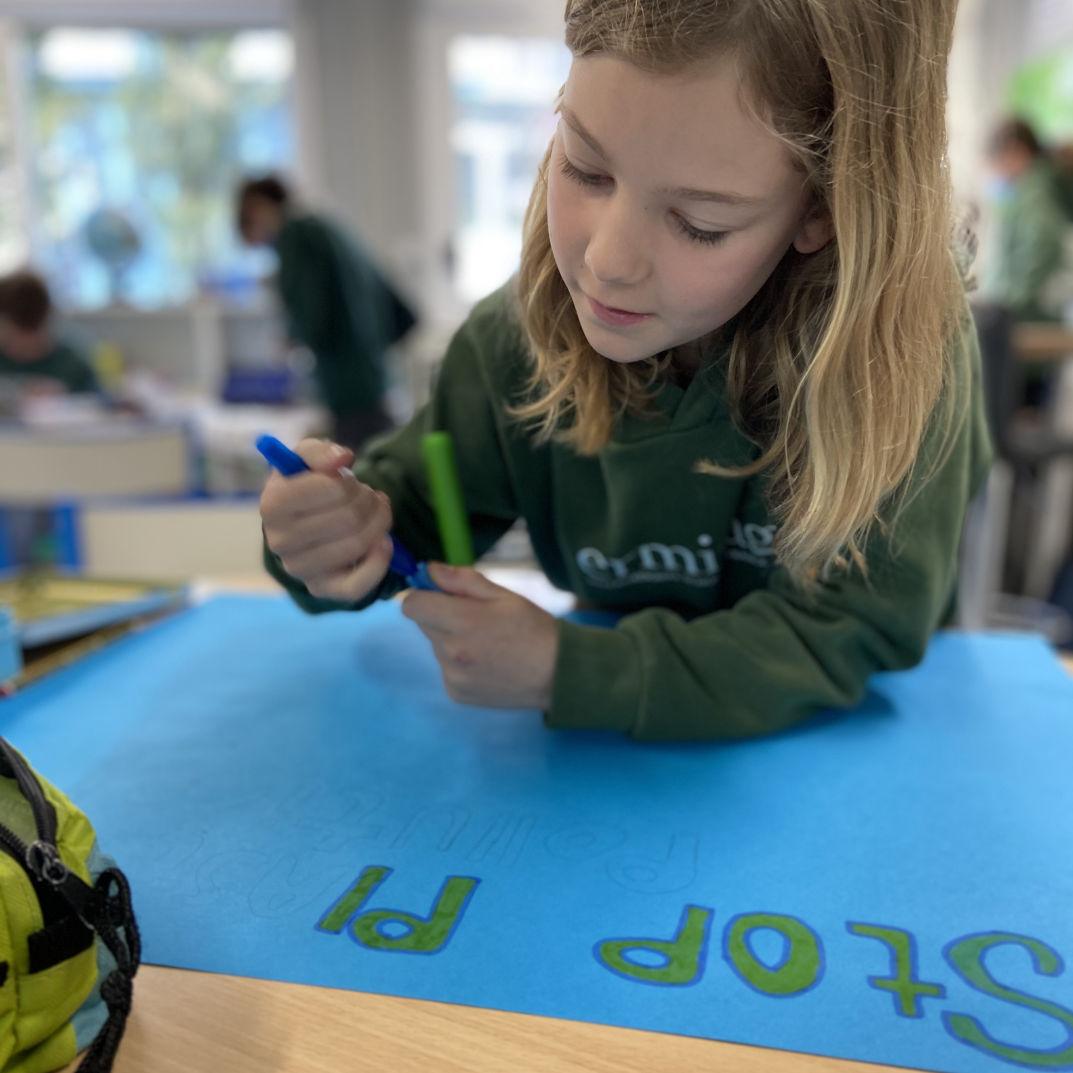
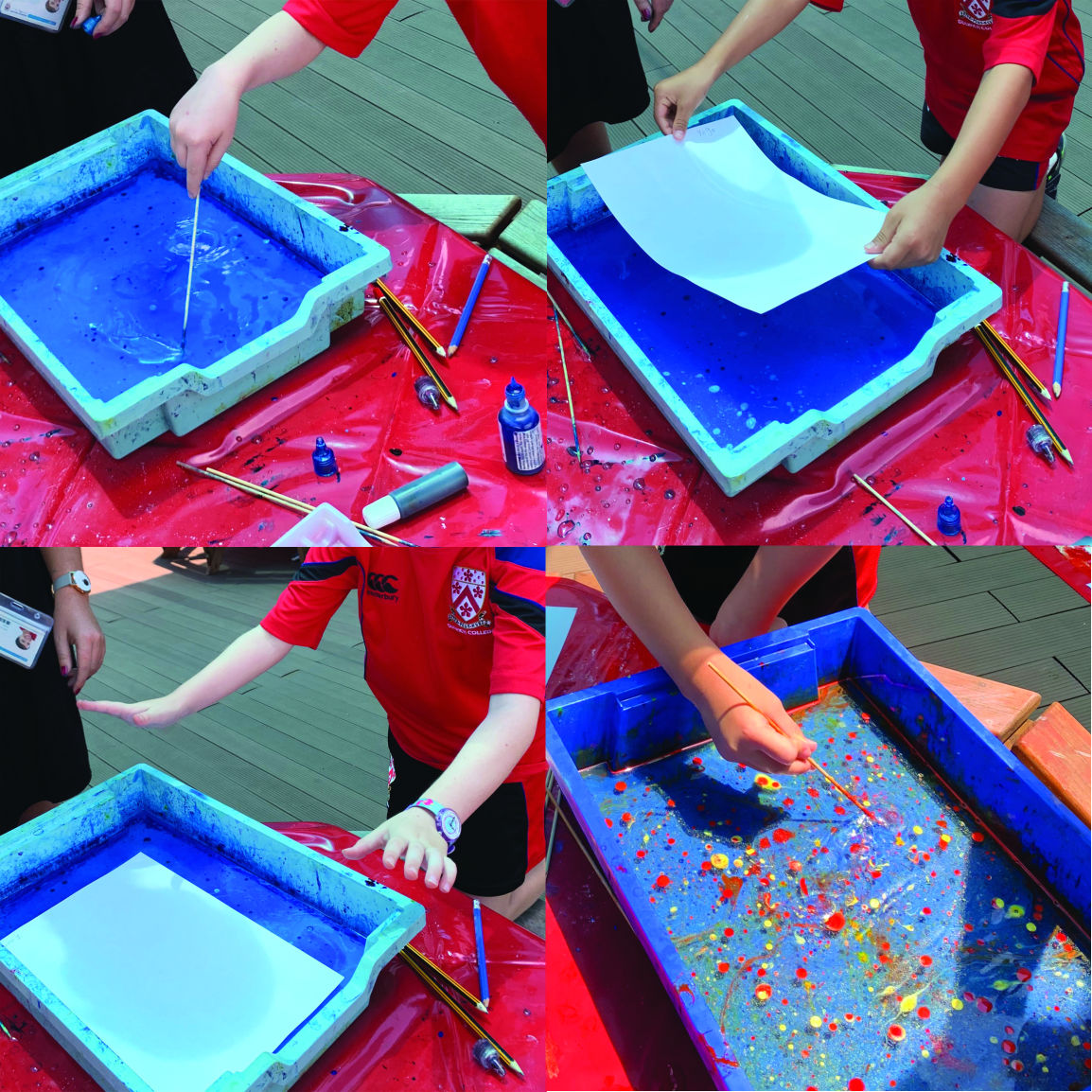
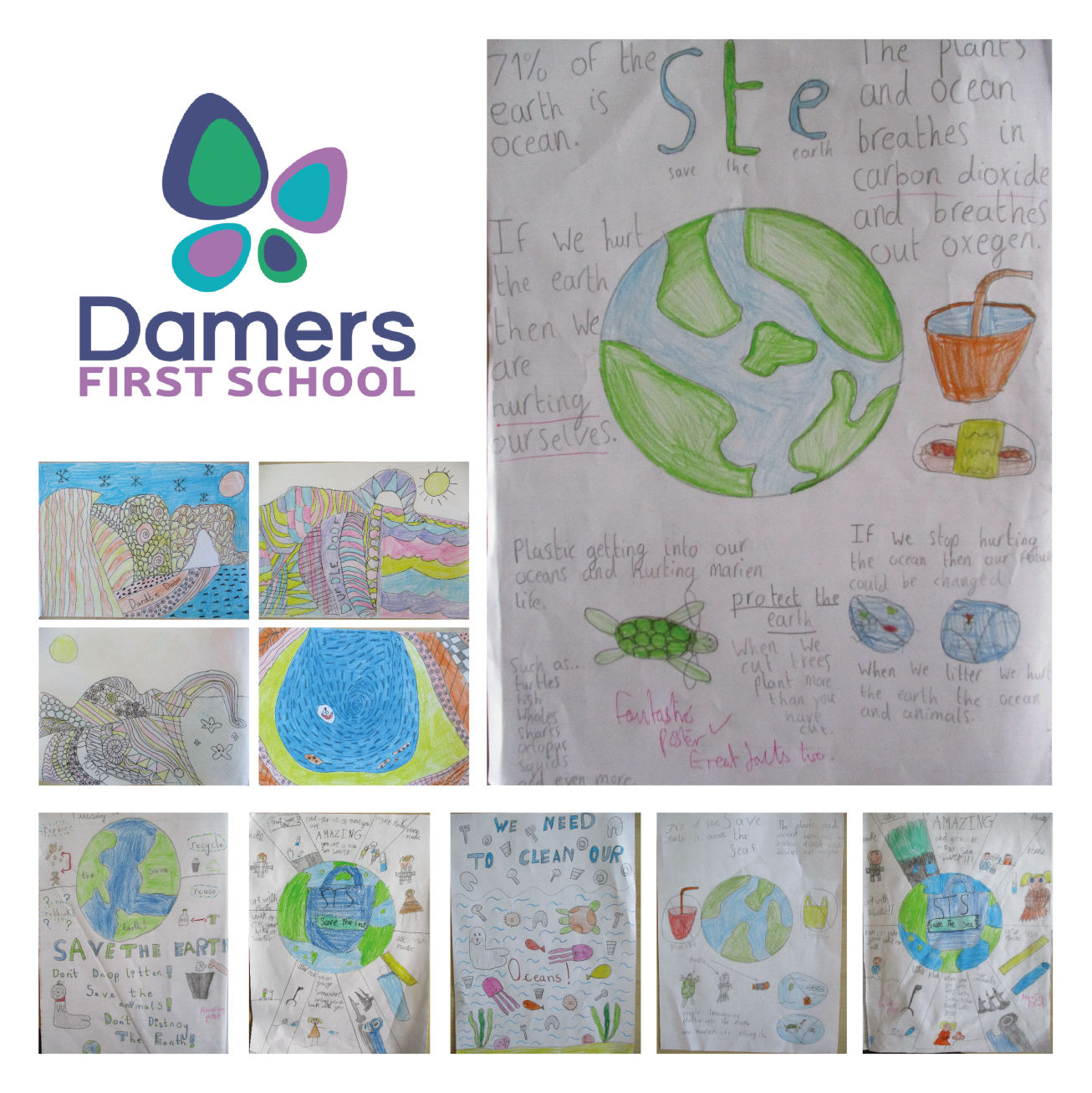
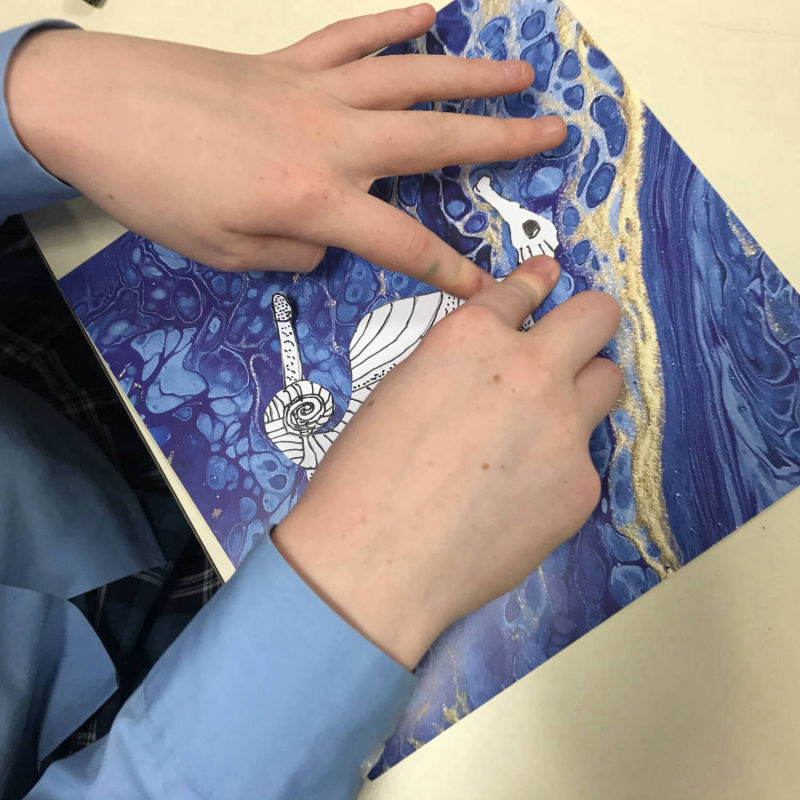
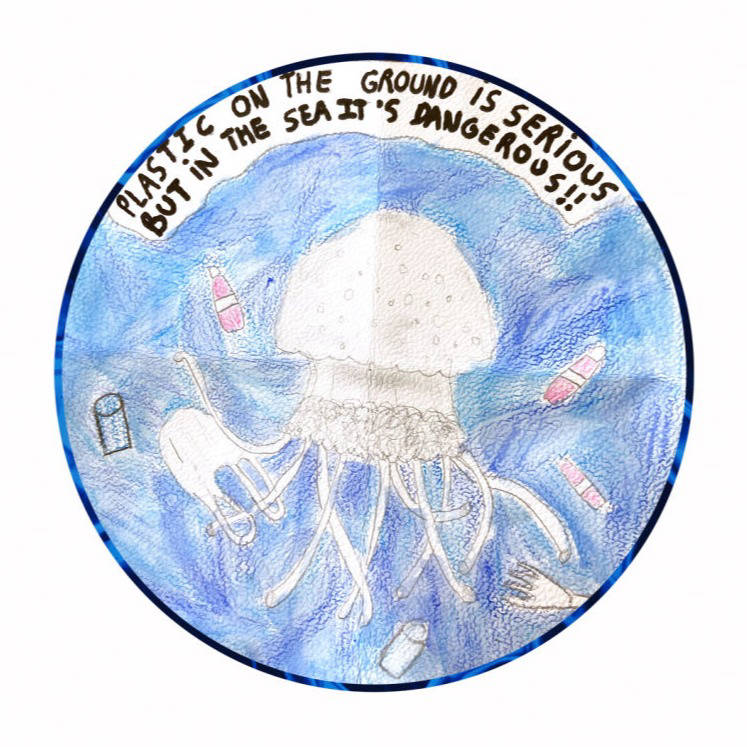
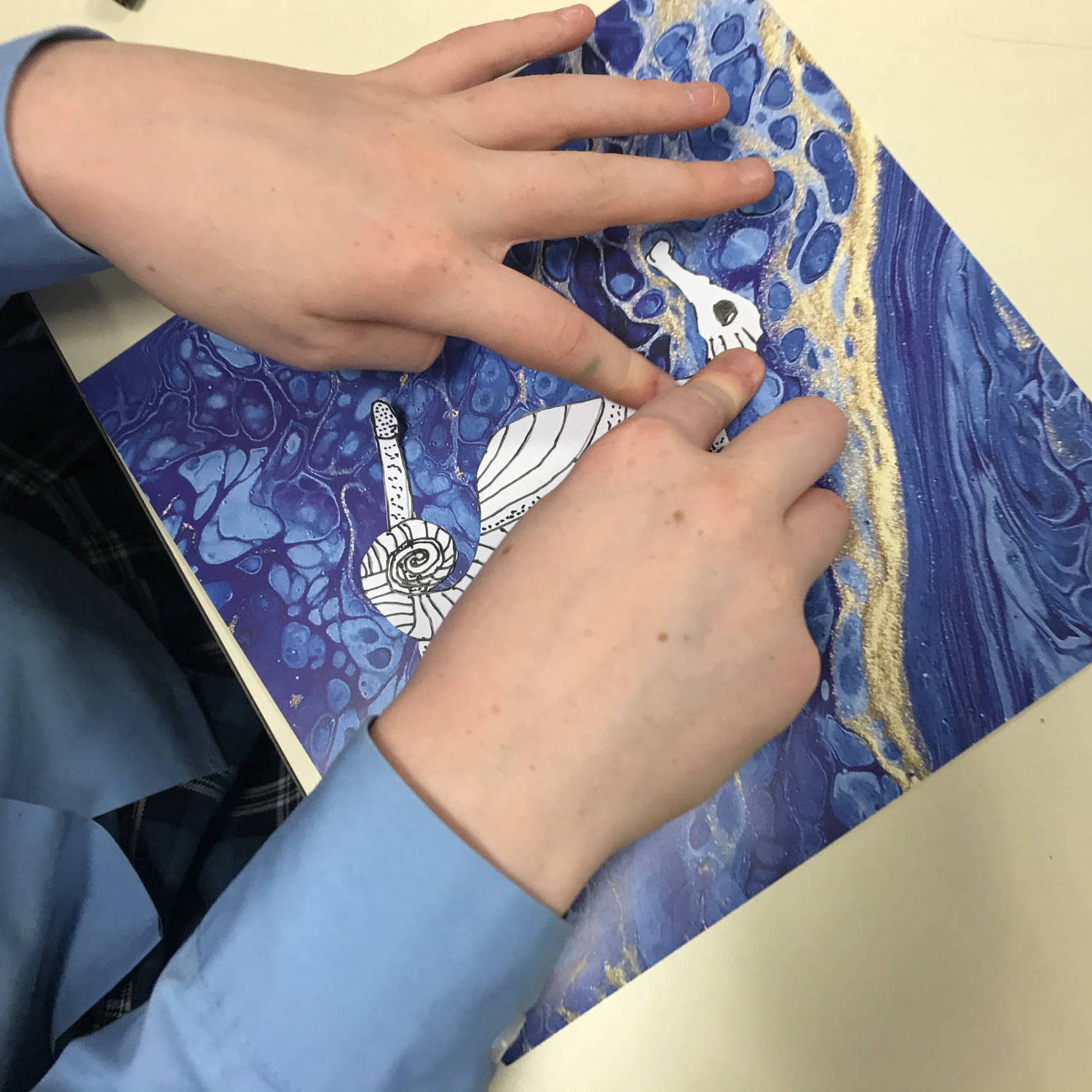
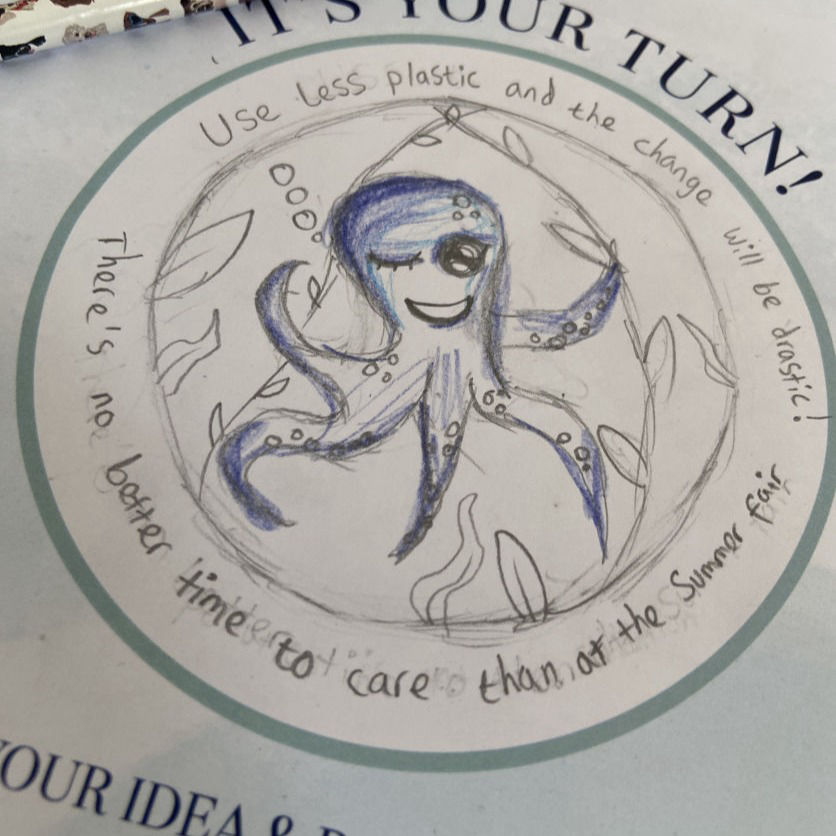
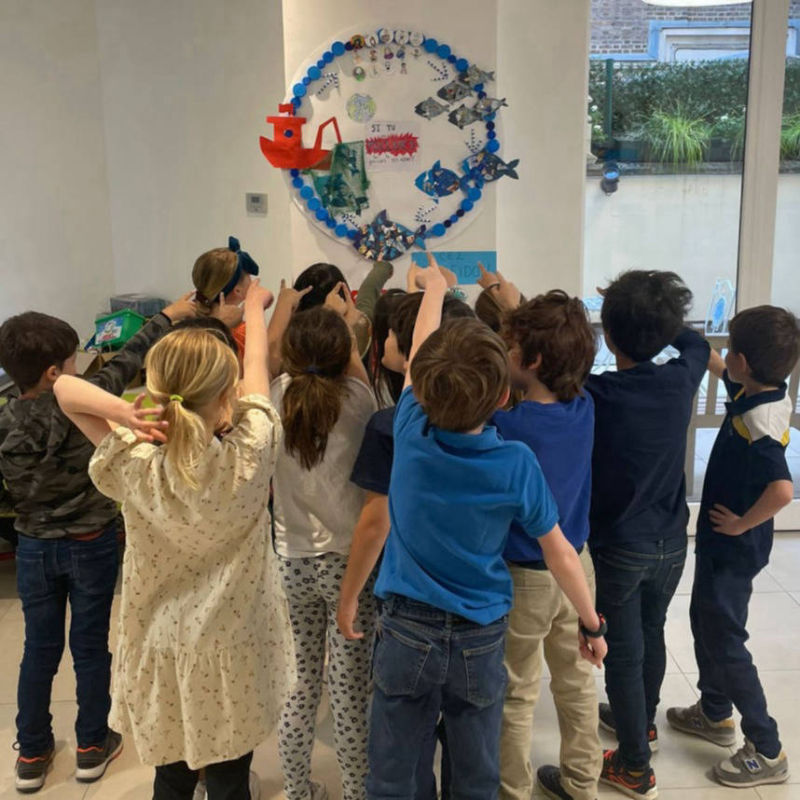
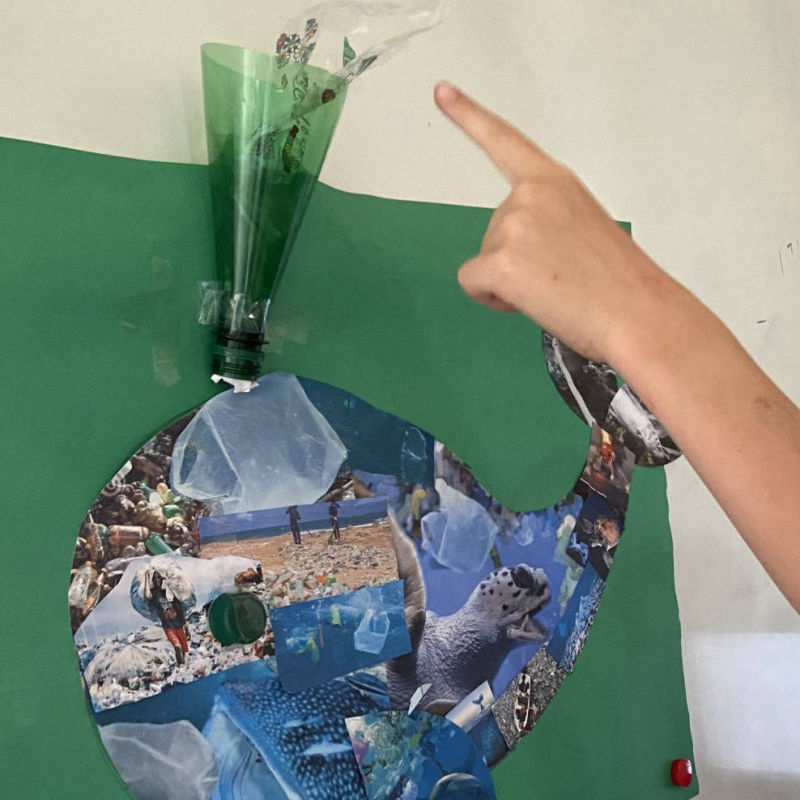
Creating artwork is the moment where knowledge transforms into something personal. After learning about environmental challenges, we take time to reflect on what we have discovered and transform those thoughts, emotions, and ideas into visual messages that can inspire others.

The word "artivism" combines "art" and "activism". It describes the use of creative expression to raise awareness, start conversations, and encourage positive change. For me, artivism is about the power of visual language - communicating ideas in a way that words alone cannot always achieve. My favourite kind of artivism is not the most shocking or frightening, but the kind that makes you stop, think, and discover a new perspective through a clever and meaningful message.

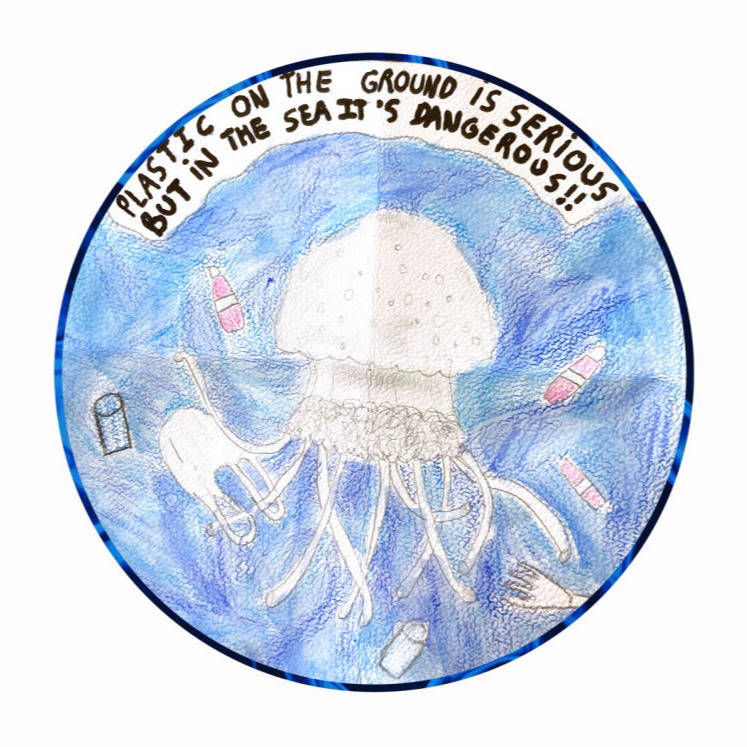
When children create artwork after learning about environmental issues, they are not simply making something beautiful. They are processing what they have learned, developing their own perspective, and finding creative ways to communicate what matters to them. Art becomes a tool for reflection, expression, and action. Over the years, I have seen some incredibly powerful ideas come from children. One child created an artwork showing an iceberg beginning to crack and split apart, with the two sides held together by shoelaces. The message was: "What's next is in our hands." The idea was that we can either let things fall apart or tighten the knot and choose to act. I thought it was a brilliant concept - one of those ideas that makes you stop and think, and honestly, I wish it had been my idea!

This is why I believe creativity has such an important role in environmental education. We all have different skills, but we all have something we can give. Through art, children discover that their voices matter and that they have the ability to inspire others.

INSPIRING OTHERS

Inspiring others is the moment where personal change begins to create a ripple effect. We cannot force people to care about environmental issues by lecturing them, overwhelming them with information, or making them feel guilty. Real change often begins in a much simpler way - by showing what is possible through our own actions.

When we make small changes in our everyday lives, we can inspire the people around us. Our family members, friends, and communities may notice these changes and become curious. They might ask questions like: "Why are you doing this?" or "What made you change this habit?" These conversations create opportunities to share ideas, explain what we have learned, and encourage others to discover their own ways of making a difference.

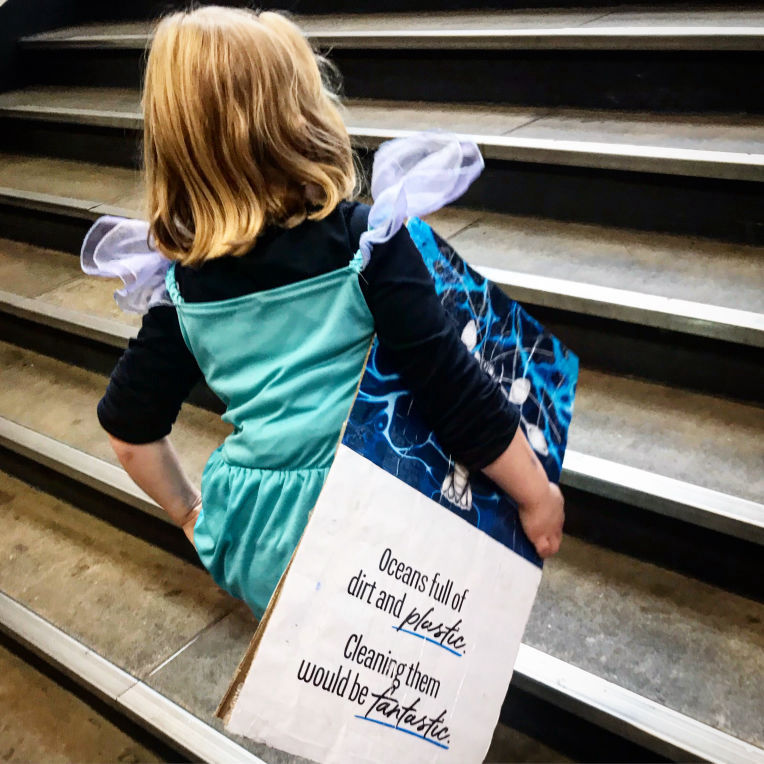
Art can become a powerful way to open these conversations. When we create artwork about environmental topics and share the stories behind it, people can connect with the message in a more personal way. A painting, illustration, or installation can make someone stop, look closer, and think about an issue from a different perspective. Unlike a simple fact or statistic, art creates a moment of curiosity and connection.

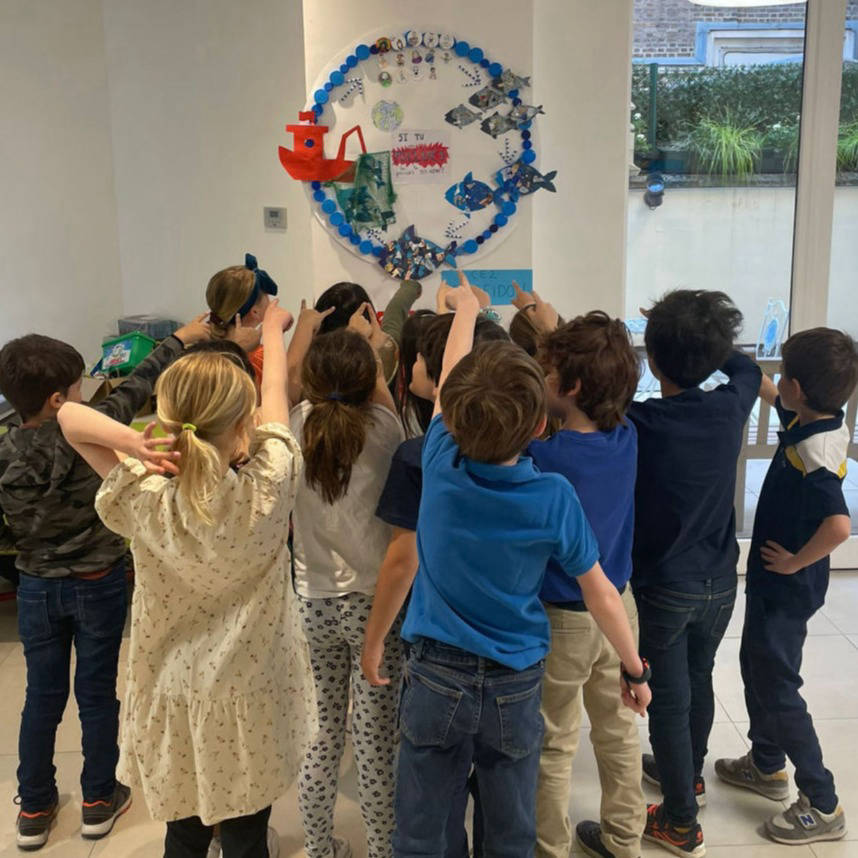
Installations are especially powerful because they invite people to interact. When someone walks around an artwork, observes details, or becomes part of the experience, they are not just receiving information - they are engaging with an idea. These moments can create memories and start conversations that continue long after the artwork has been seen.

Inspiring others is not about having all the answers or asking everyone to follow the same path. It is about sharing our passion, showing what we believe in, and reminding others that their choices also matter. Every action, every conversation, and every creative expression can become a small spark that encourages someone else to take their own step towards positive change.

COMMUNICATION

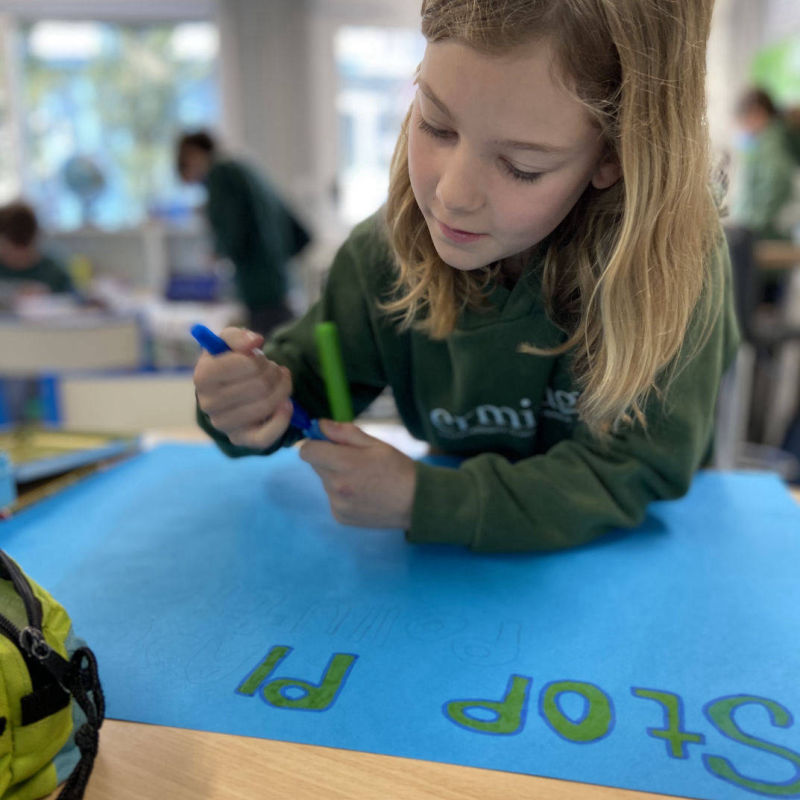
People can only make changes when they understand what they can do and why it matters. By sharing ideas through conversations, posters, social media, and creative messages, we can encourage others to rethink everyday habits and discover simple solutions.

In our convenience-focused society, we often rely on single-use products that are used for only a few seconds before being thrown away. Cups, plates, cutlery, decorations, bags, and bottles create unnecessary waste, especially during school parties and large events. But these moments can also become opportunities to show that another way is possible.

Choosing reusable alternatives and encouraging people to bring their own items can make a big difference. A reusable cup, bottle, container, or decoration may seem like a small action, but when many people take the same step, the impact grows. The key is communication, because people can only participate when they know what is expected.

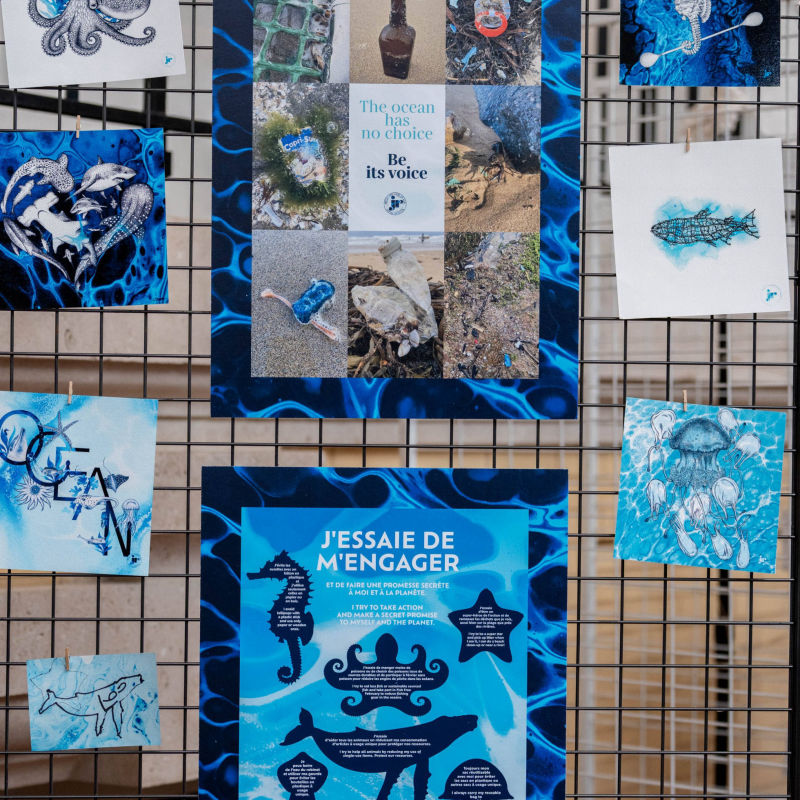
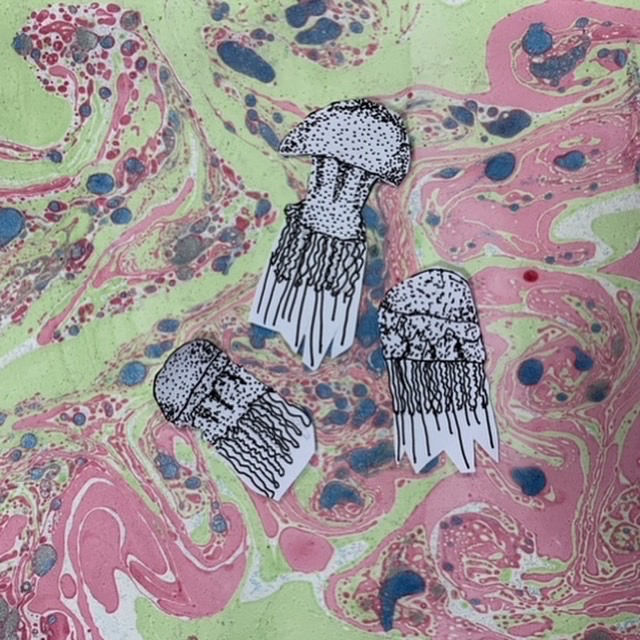
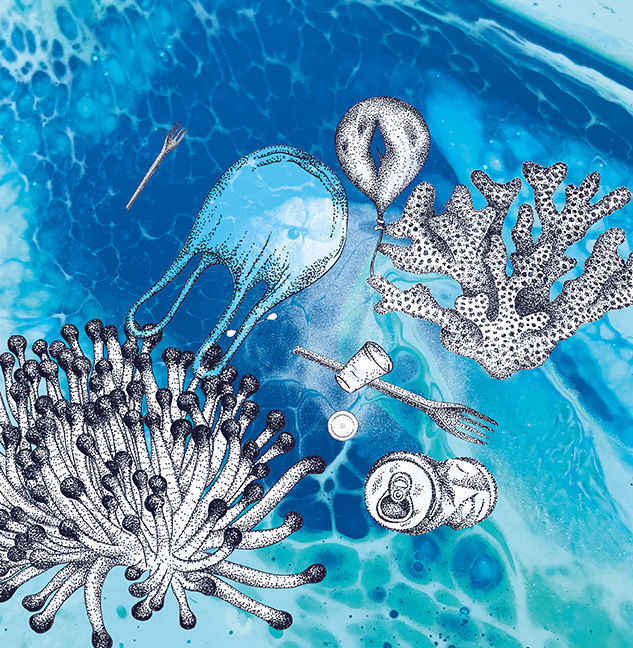
Creativity can make these messages more engaging. An illustration of a sea creature affected by pollution, a meaningful installation, or a simple reminder can create curiosity and start conversations. Art can help people connect emotionally with an issue and inspire them to take action.
BRING YOUR OWN! 

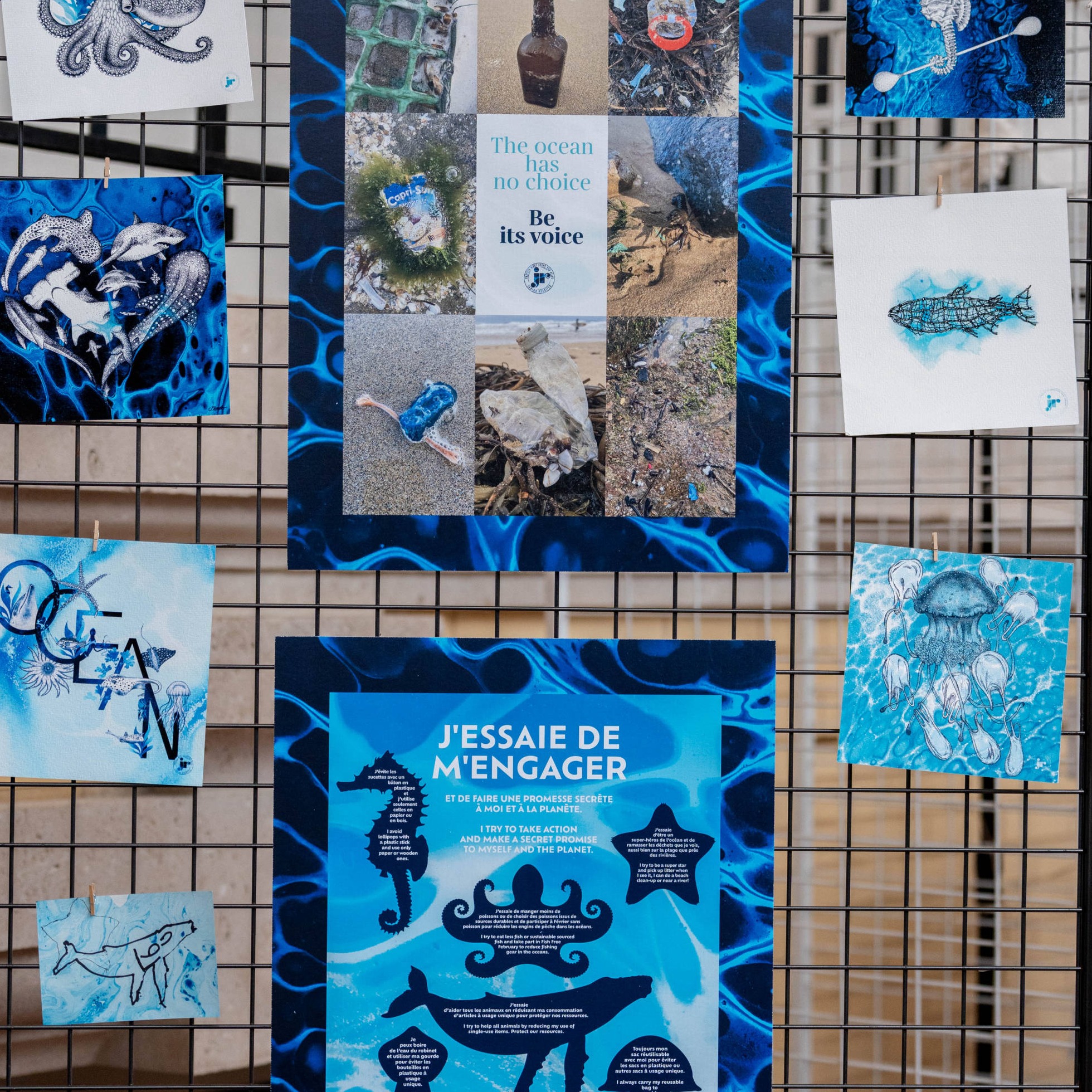
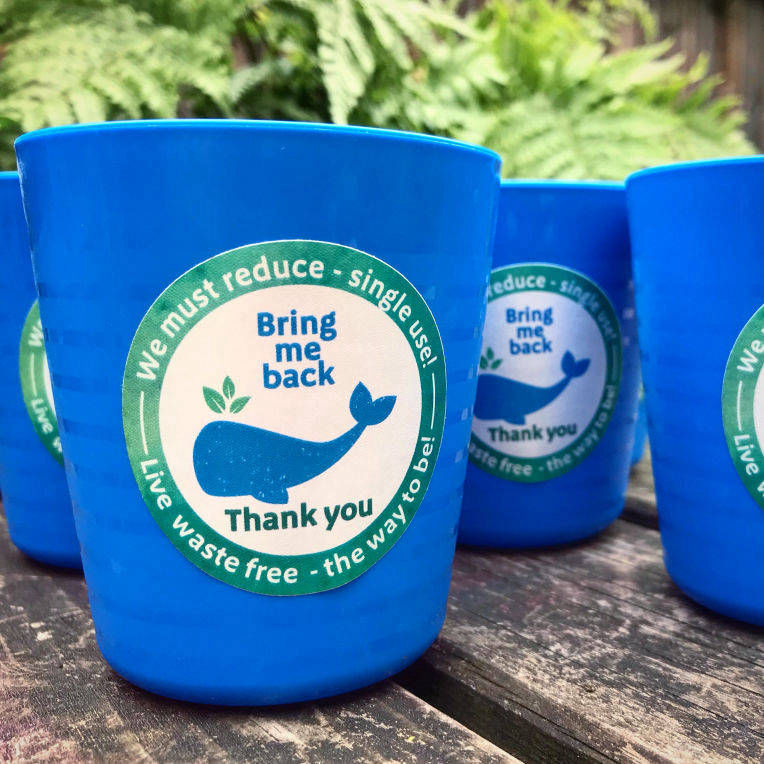
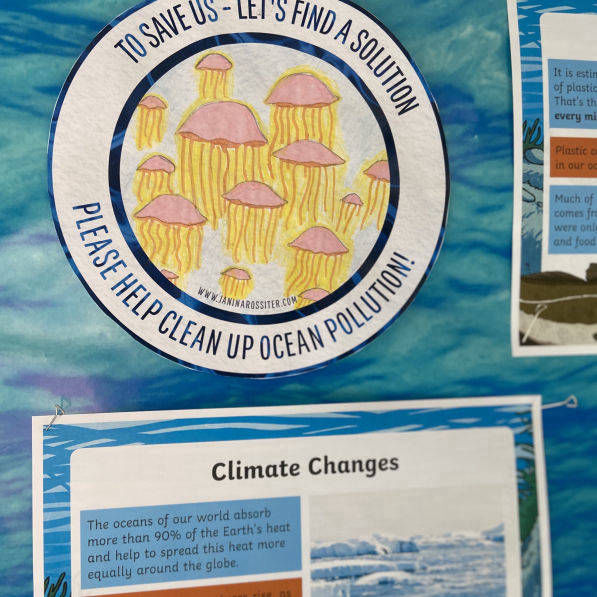
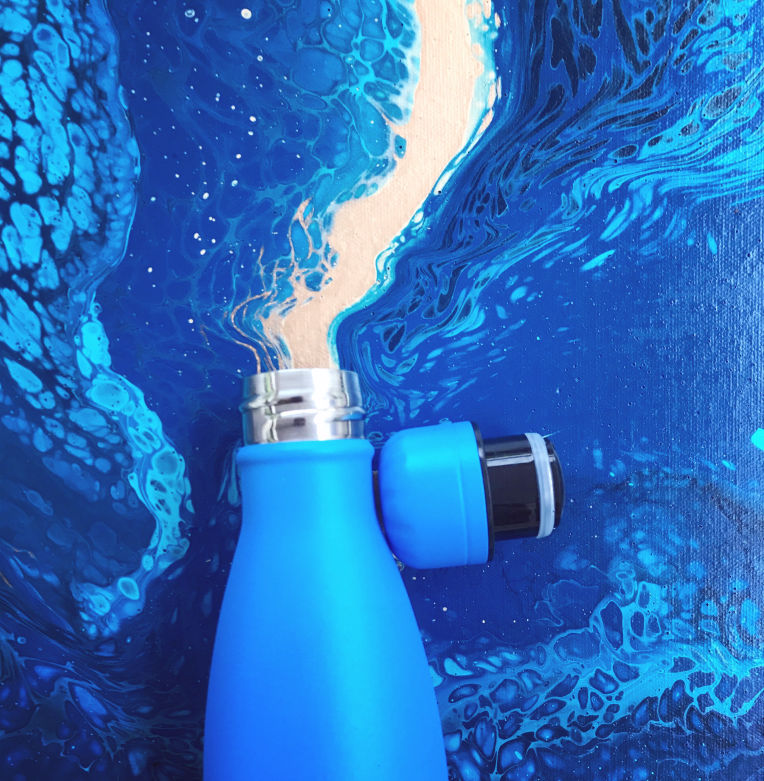
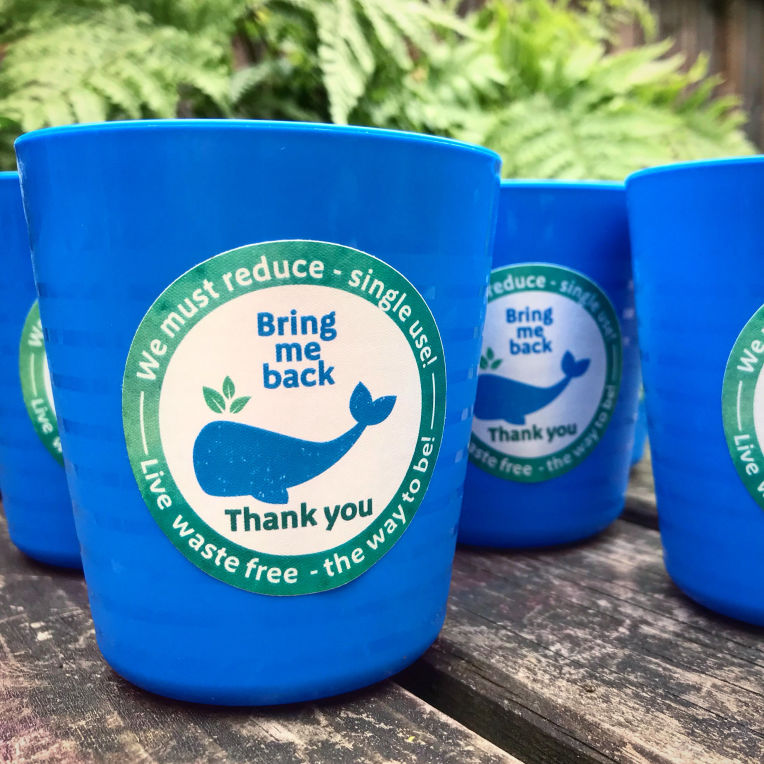
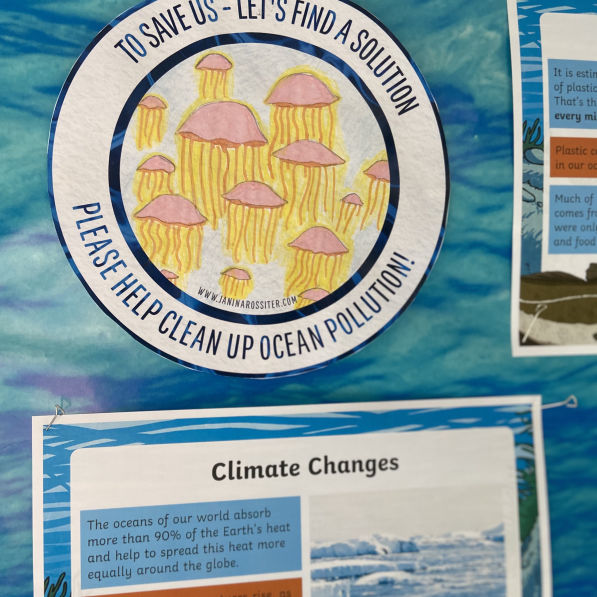
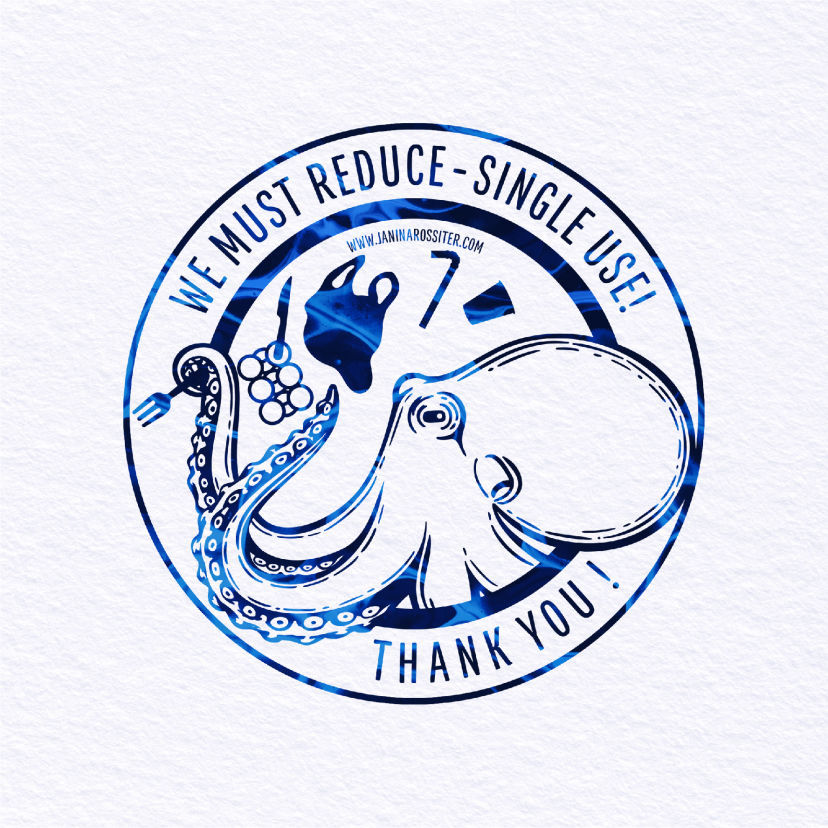
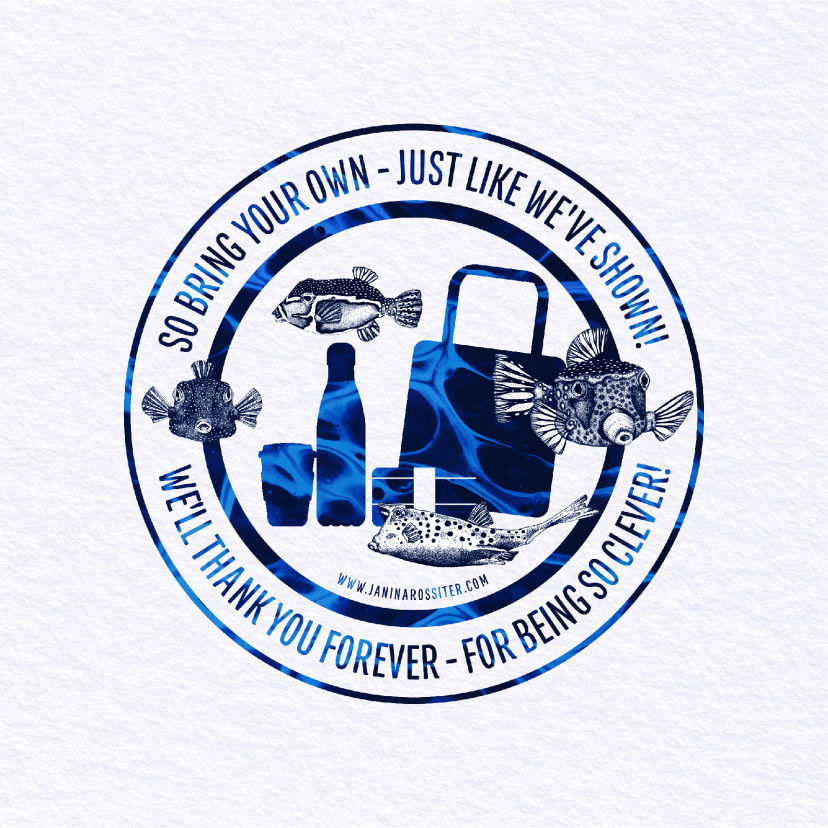
To support schools and communities in raising awareness about waste reduction, I created a series of "Bring Your Own" campaign designs featuring ocean creatures and positive messages about reducing single-use products.

Small changes in our everyday choices can have a big impact. By replacing single-use or short-term products with reusable and more sustainable alternatives, we can reduce waste and protect the resources of our planet.

Some simple swaps include:

• Bring your own coffee cup, water bottle, bag, and container
• Choose reusable straws and party decorations
• Replace plastic cotton swabs or lollypops with plastic-free alternatives
• Swap to a bamboo toothbrush or natural shampoo bars
• Choose reusable period products
• Cook at home to avoid takeaway containers
• Buy fresh products with less packaging
• Use a special laundry bag to help reduce microplastic and fibre shedding from clothes
• Take part in Fish Free February to help reduce pressure on marine ecosystems and the waste associated with the fishing industry.


Every choice is an opportunity to rethink what we use and how long we use it for. By sharing these ideas with others, we can inspire more people to find sustainable solutions and become part of a bigger change reaction.


BRING YOUR OWN! 

The designs can be used for educational and awareness purposes.
Please credit @janinarossiter when using them. They are not for commercial use.

Contact me to request the images or for any other requirements.

Mobirise
01.
A fun way to communicate to reduce waste 
Mobirise
02.
To encourage people to bring their own
Mobirise
03.
A reminder to create less waste

MURAL PROJECT - JULES FERRY SCHOOL

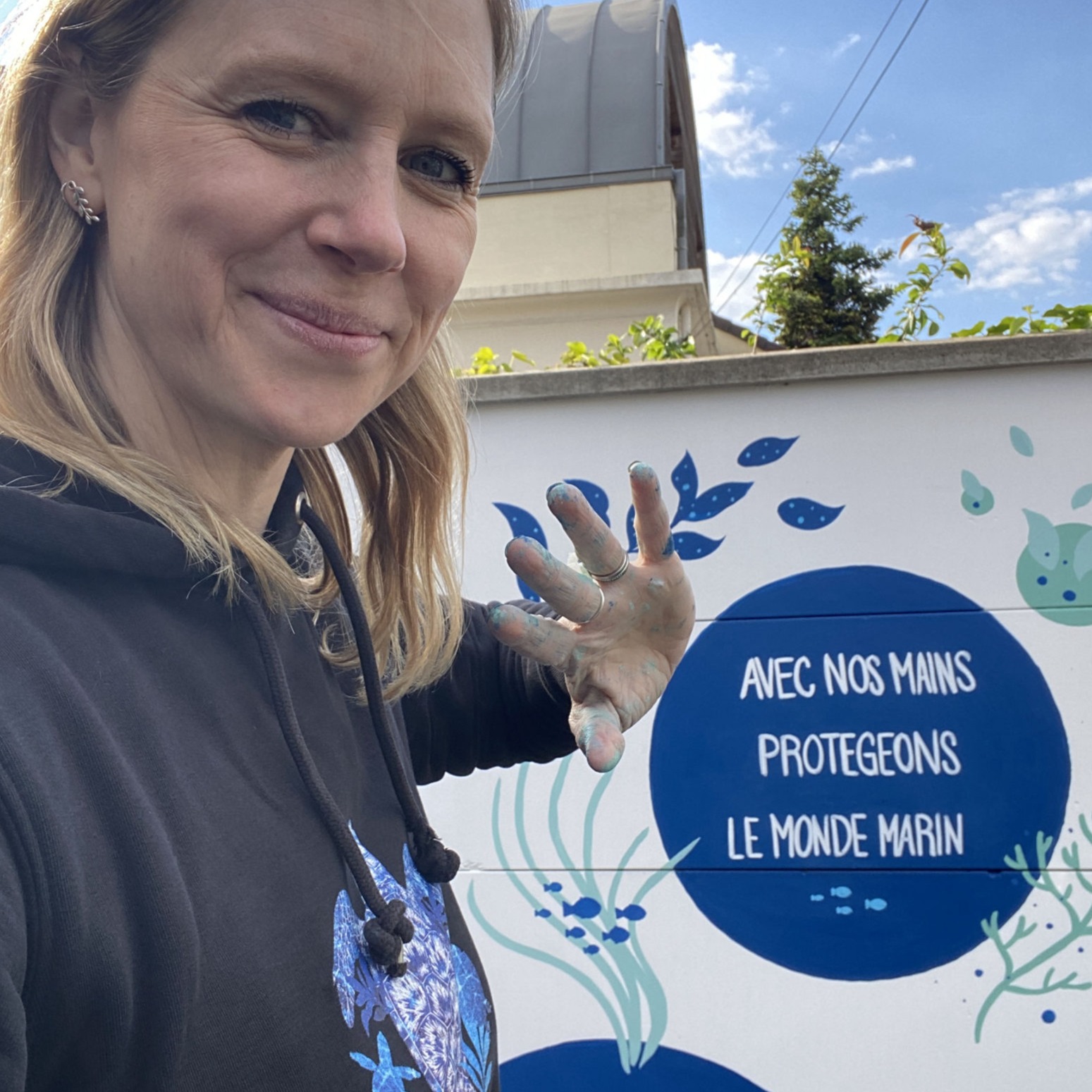
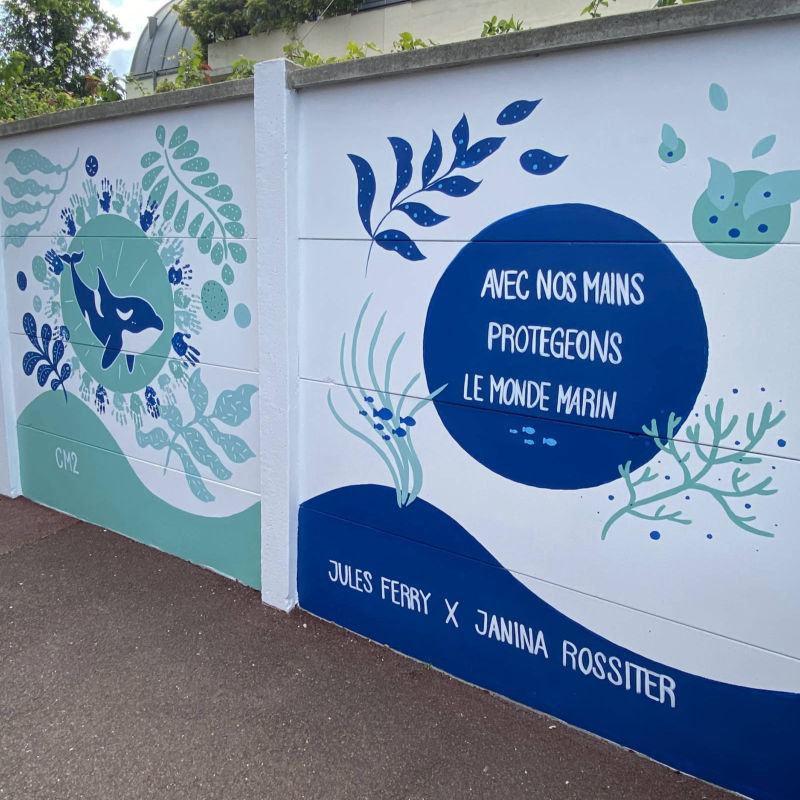
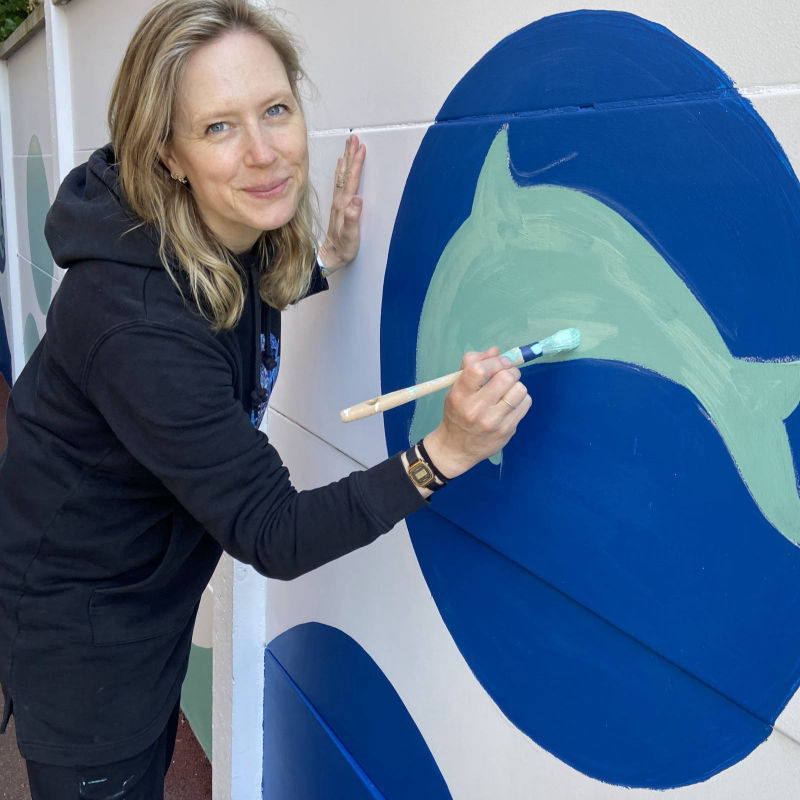
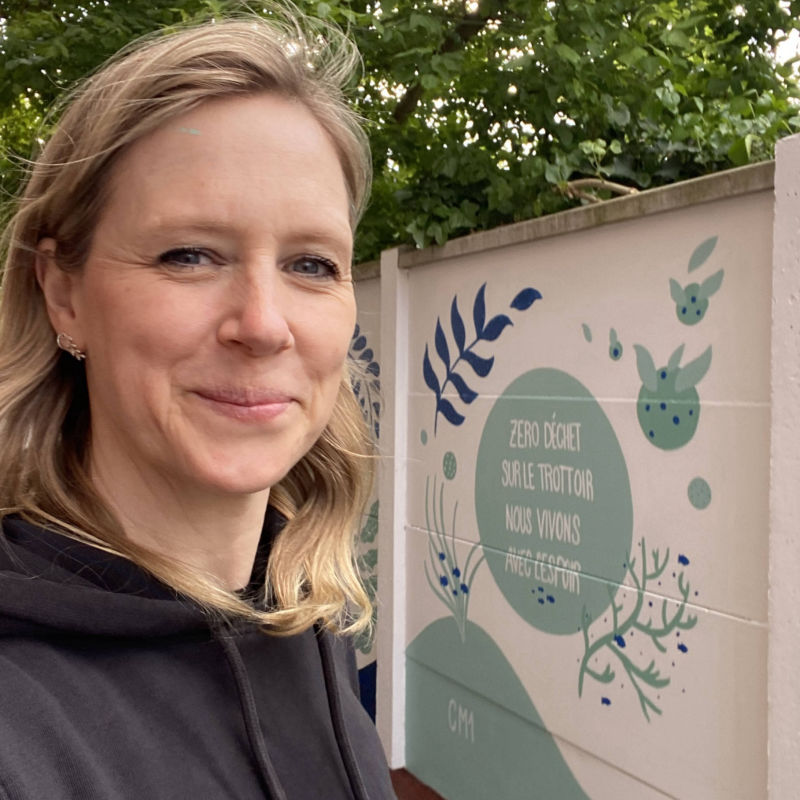
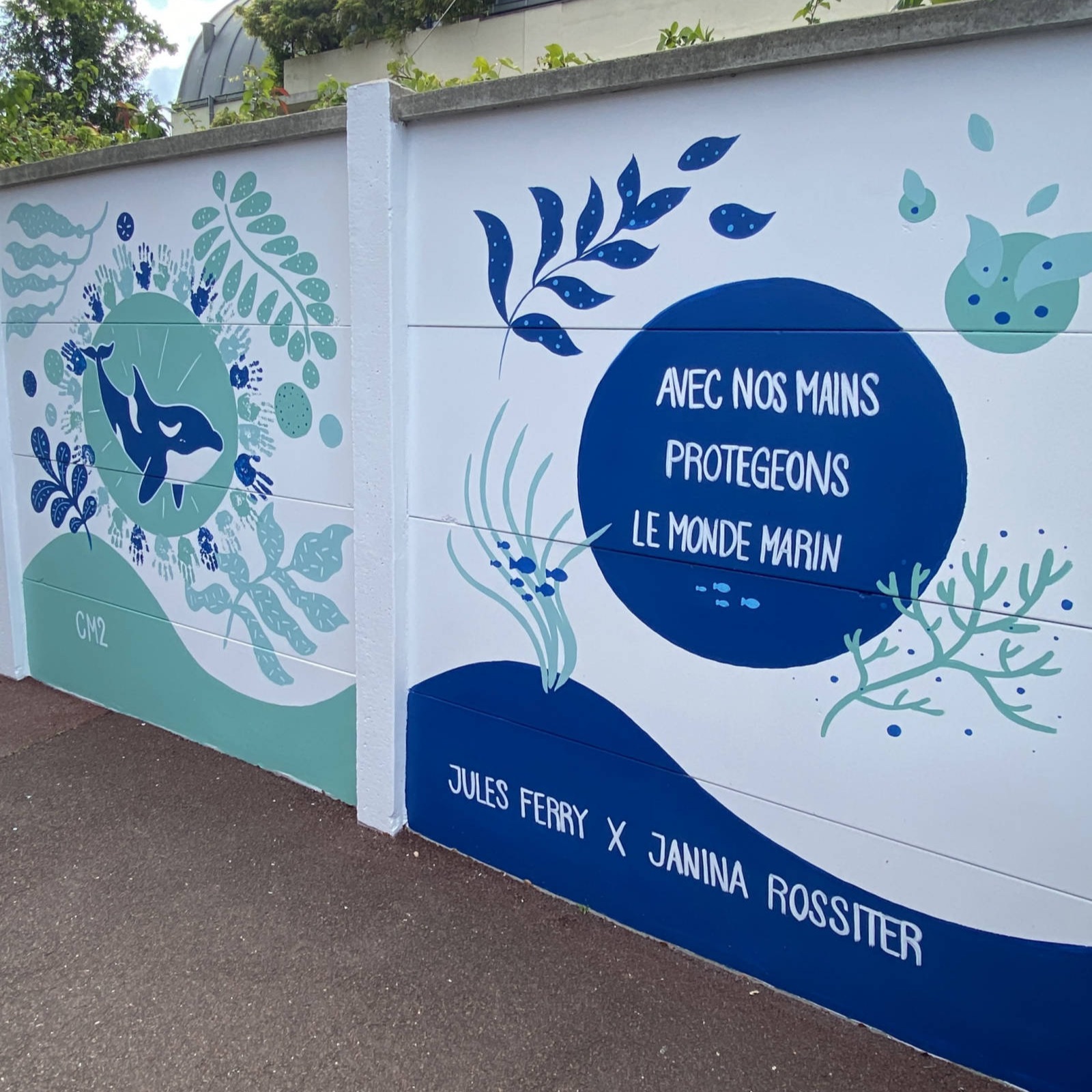
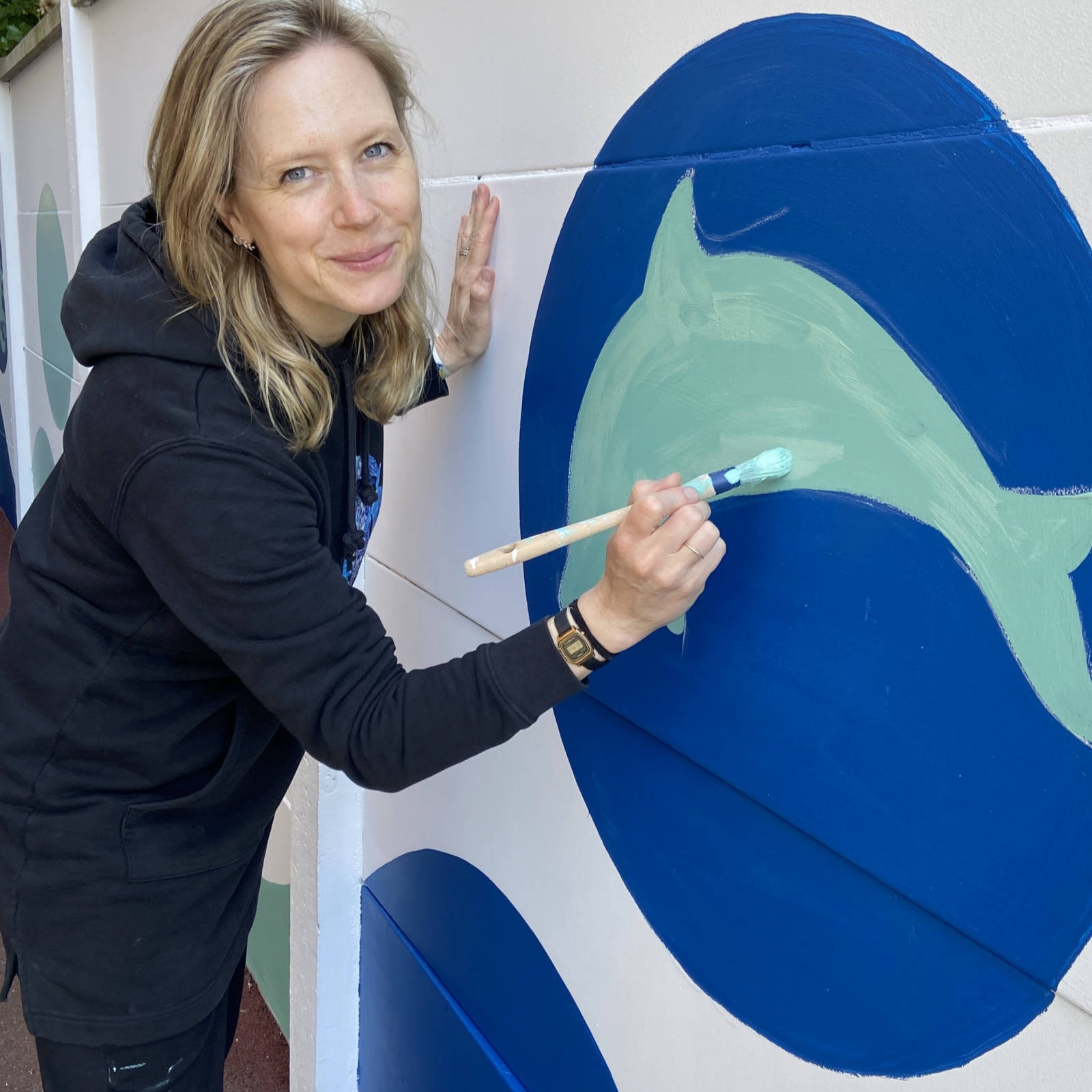
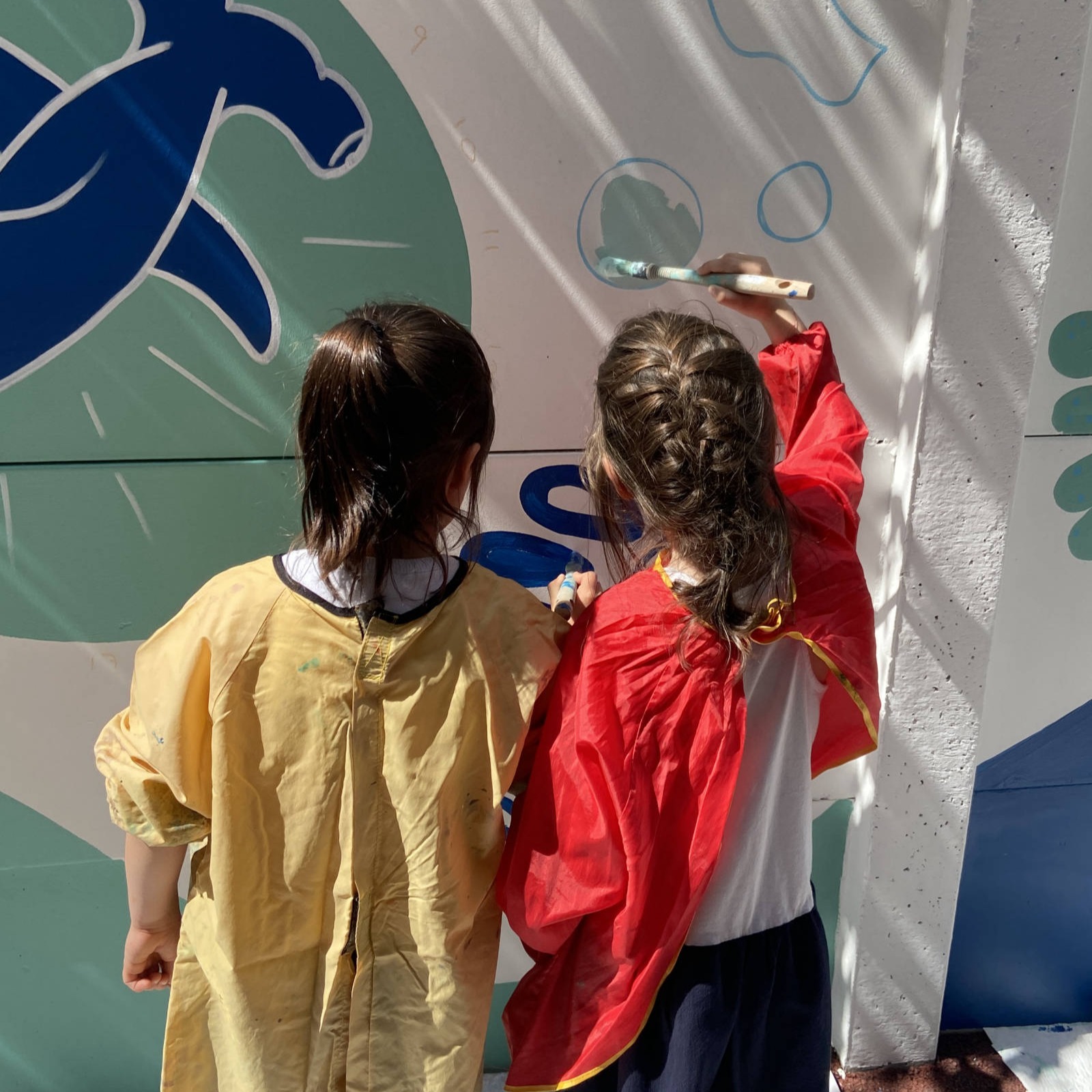
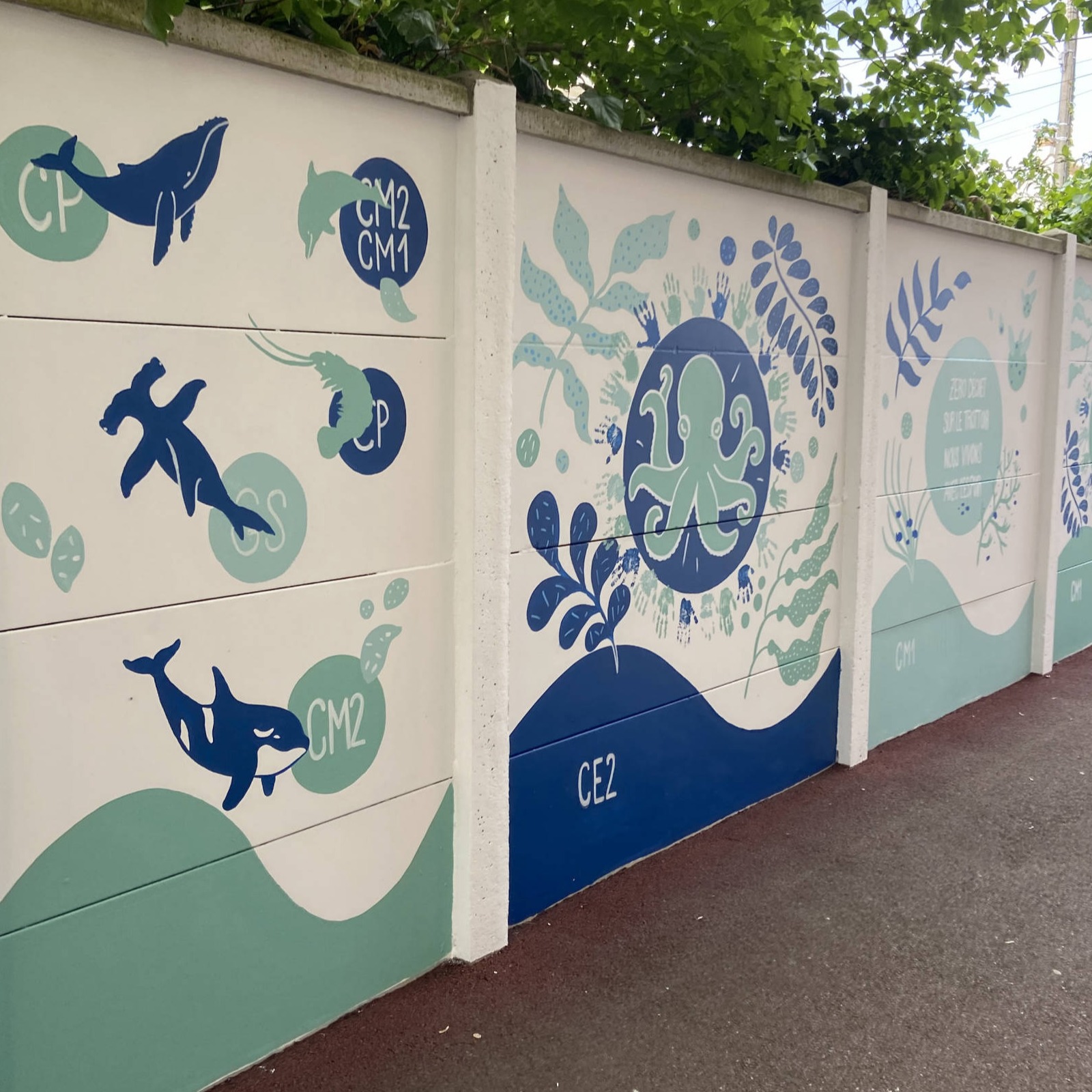
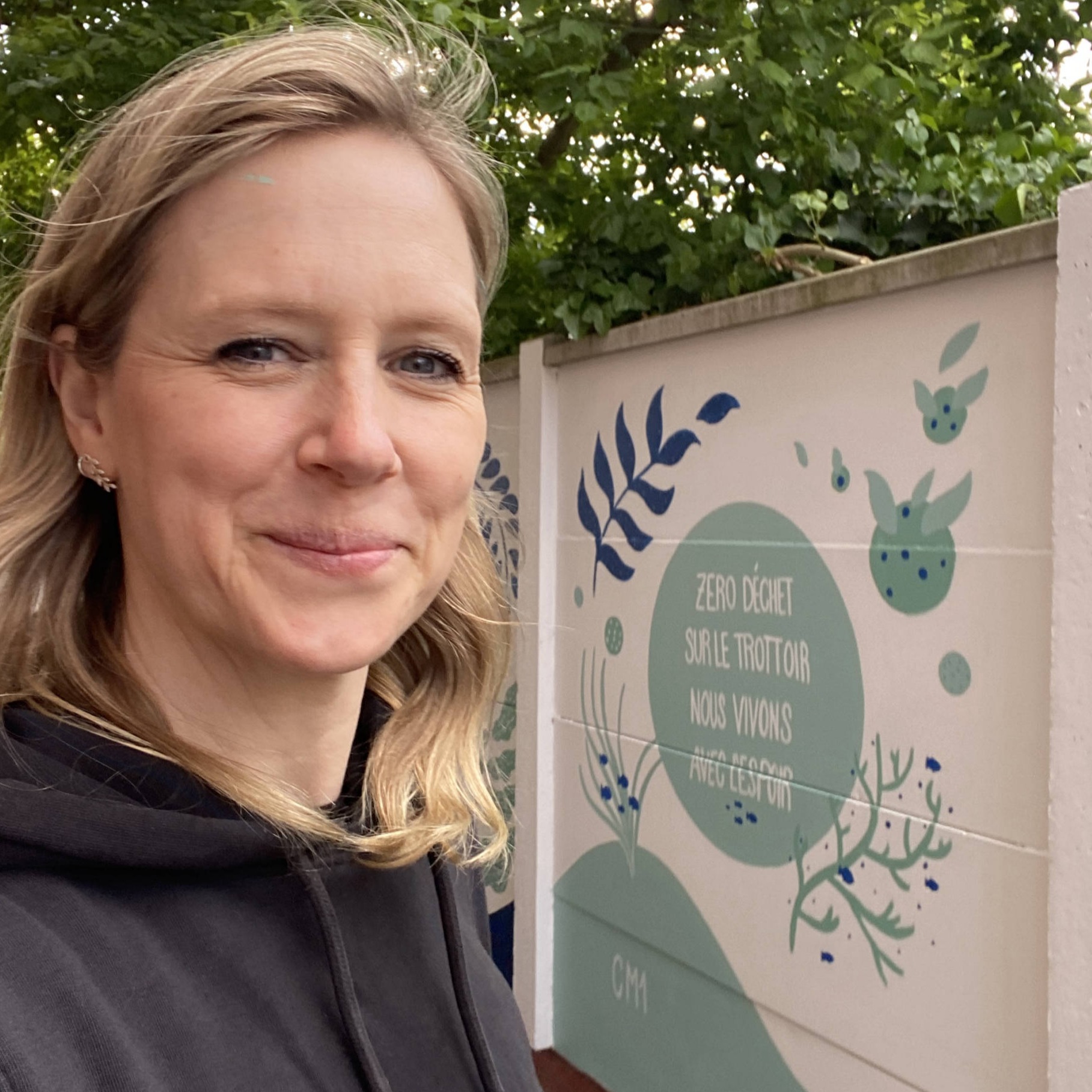
What an incredible experience creating my very first school mural with the students of Jules Ferry School in Chatou, France.

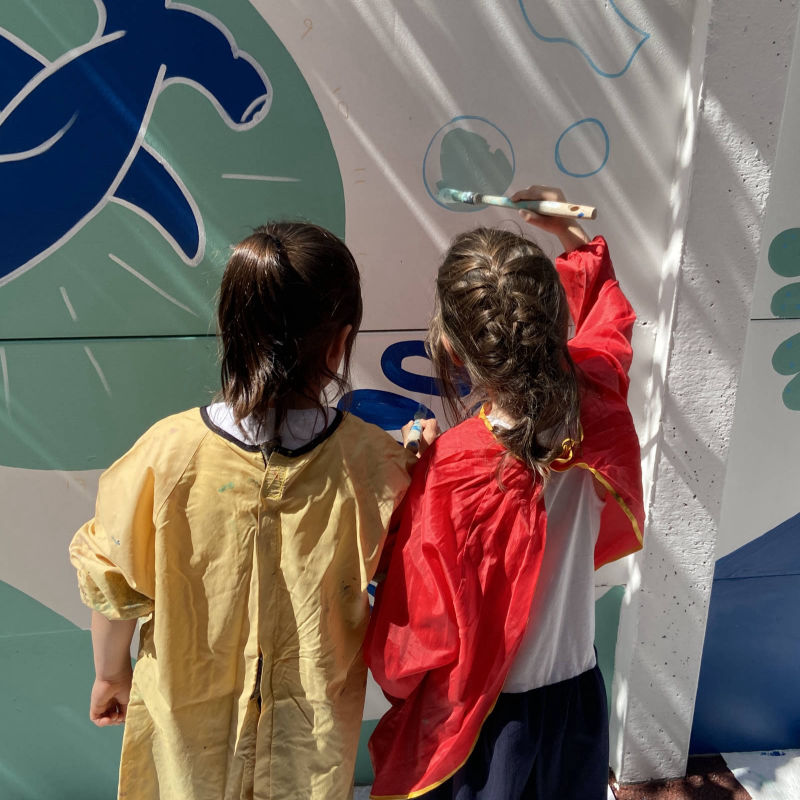
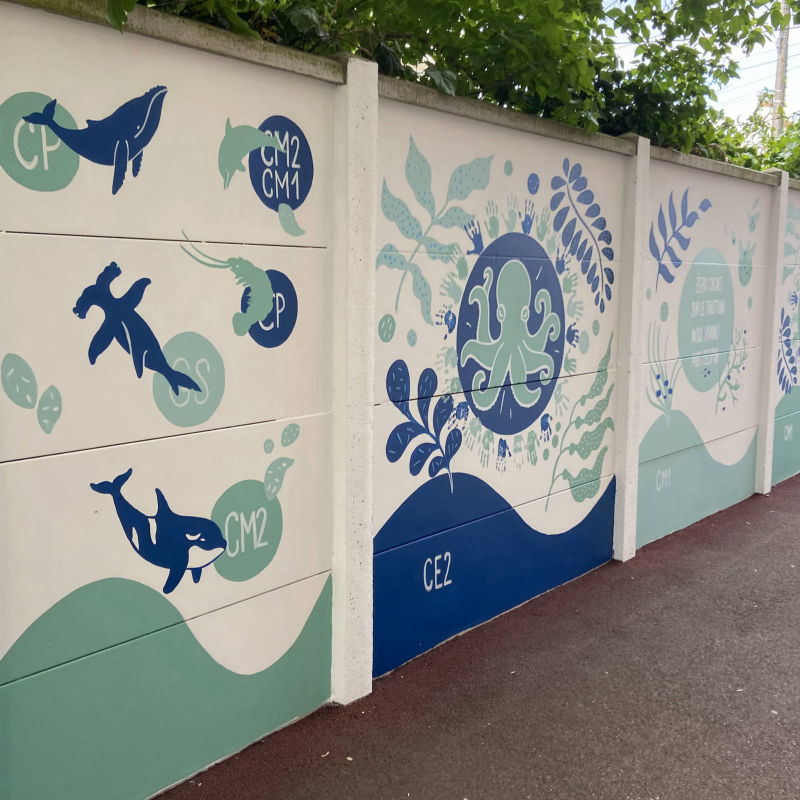
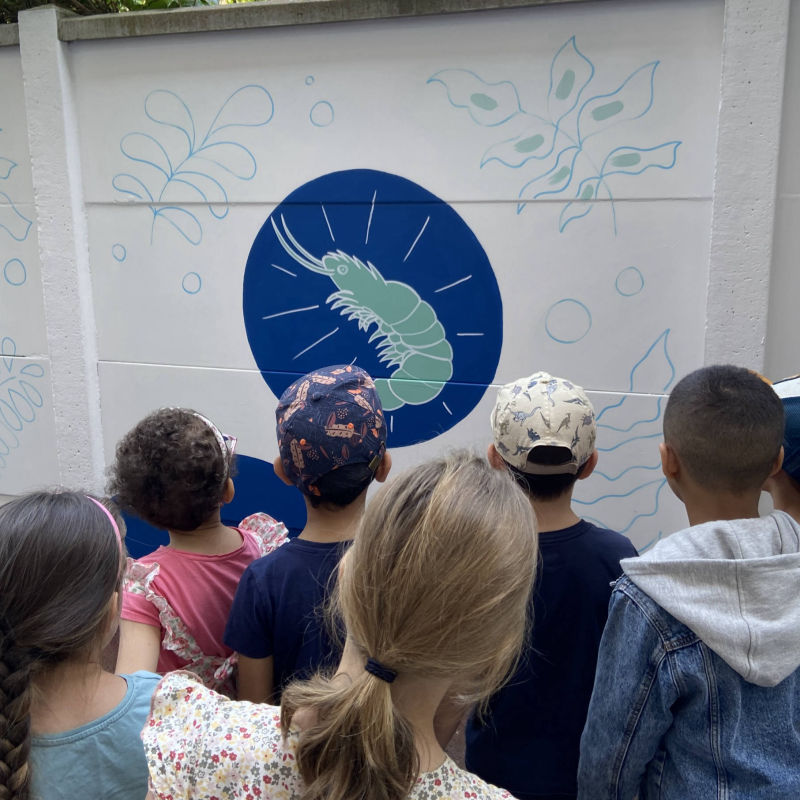
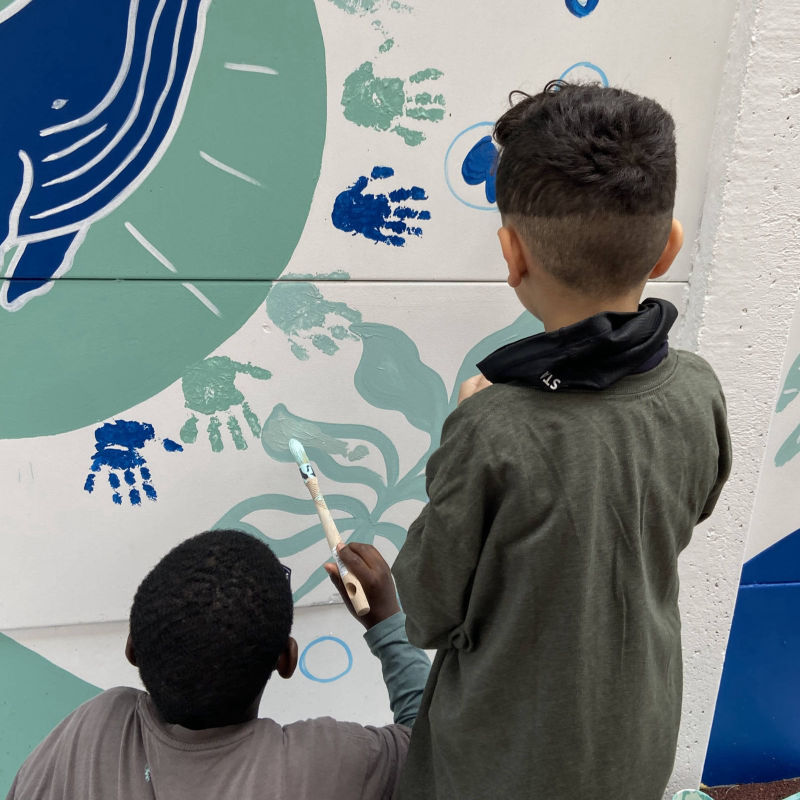
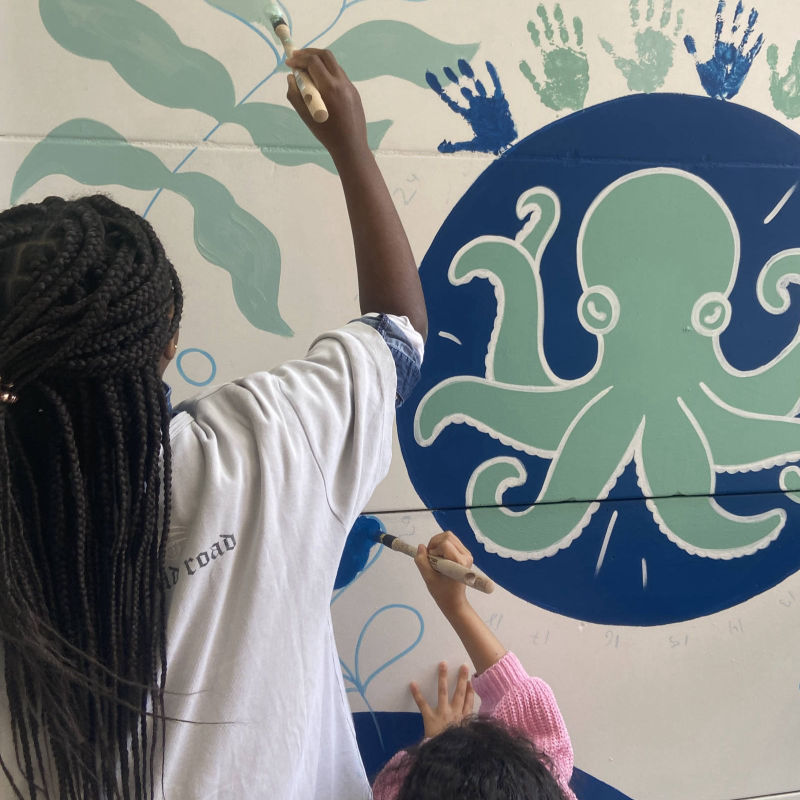
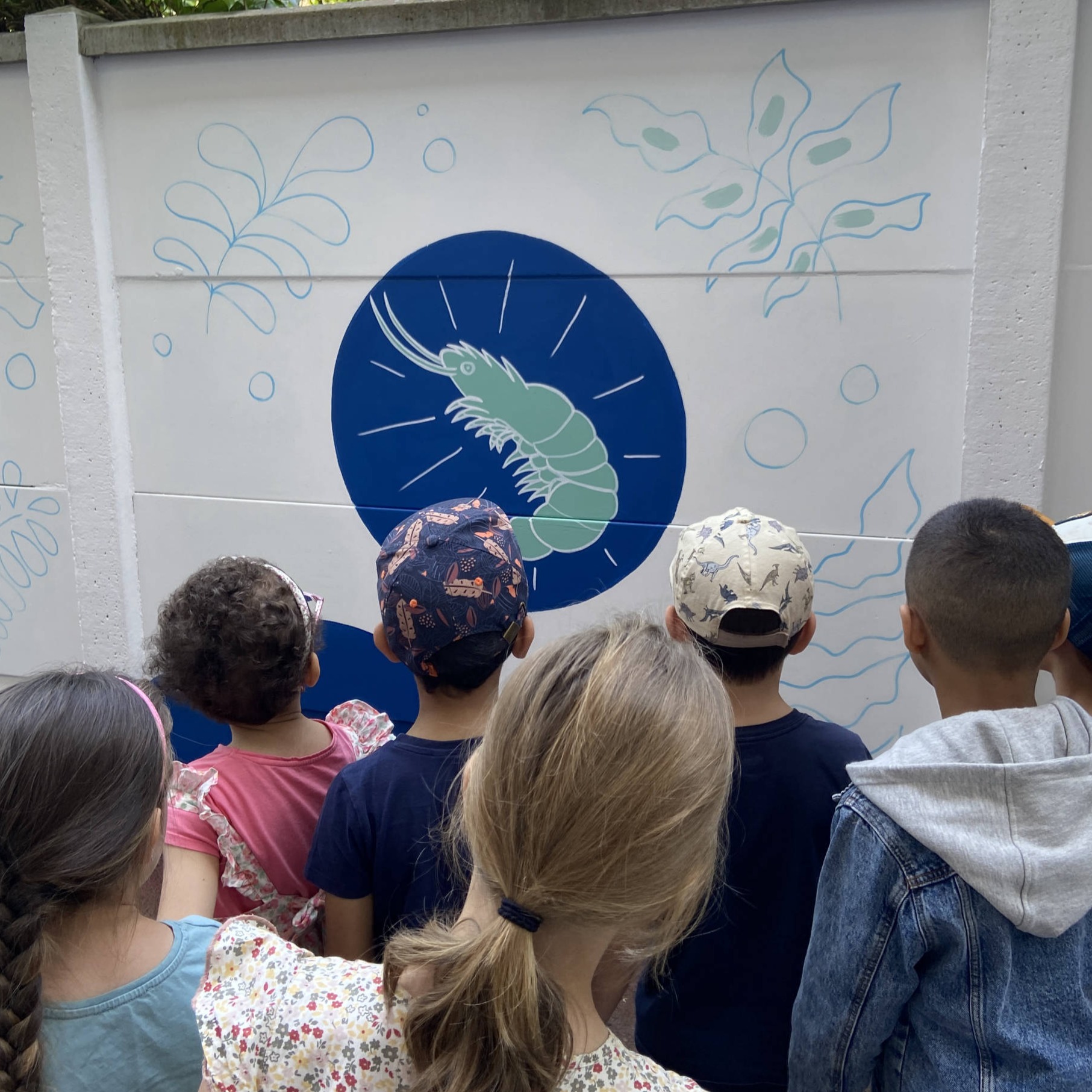
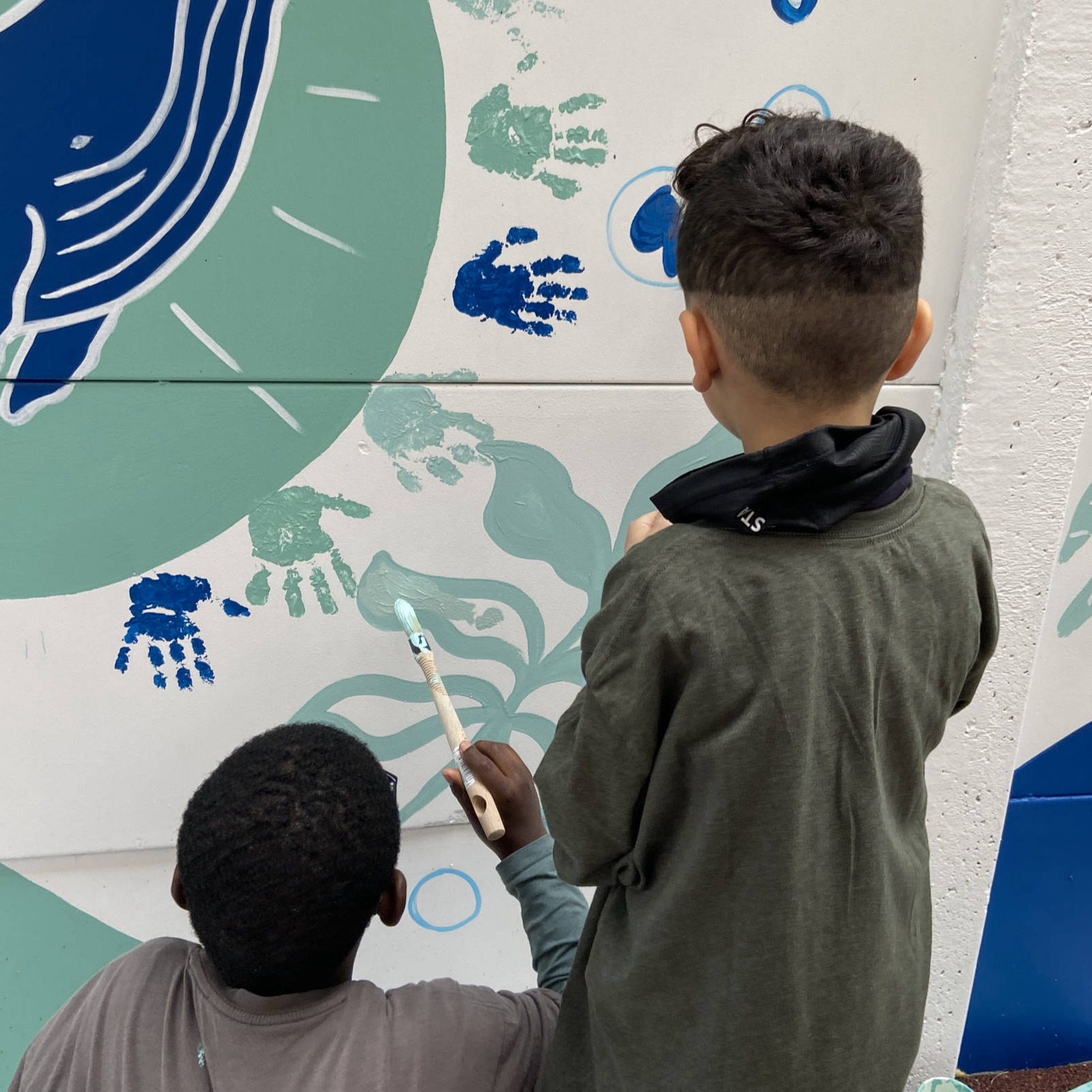
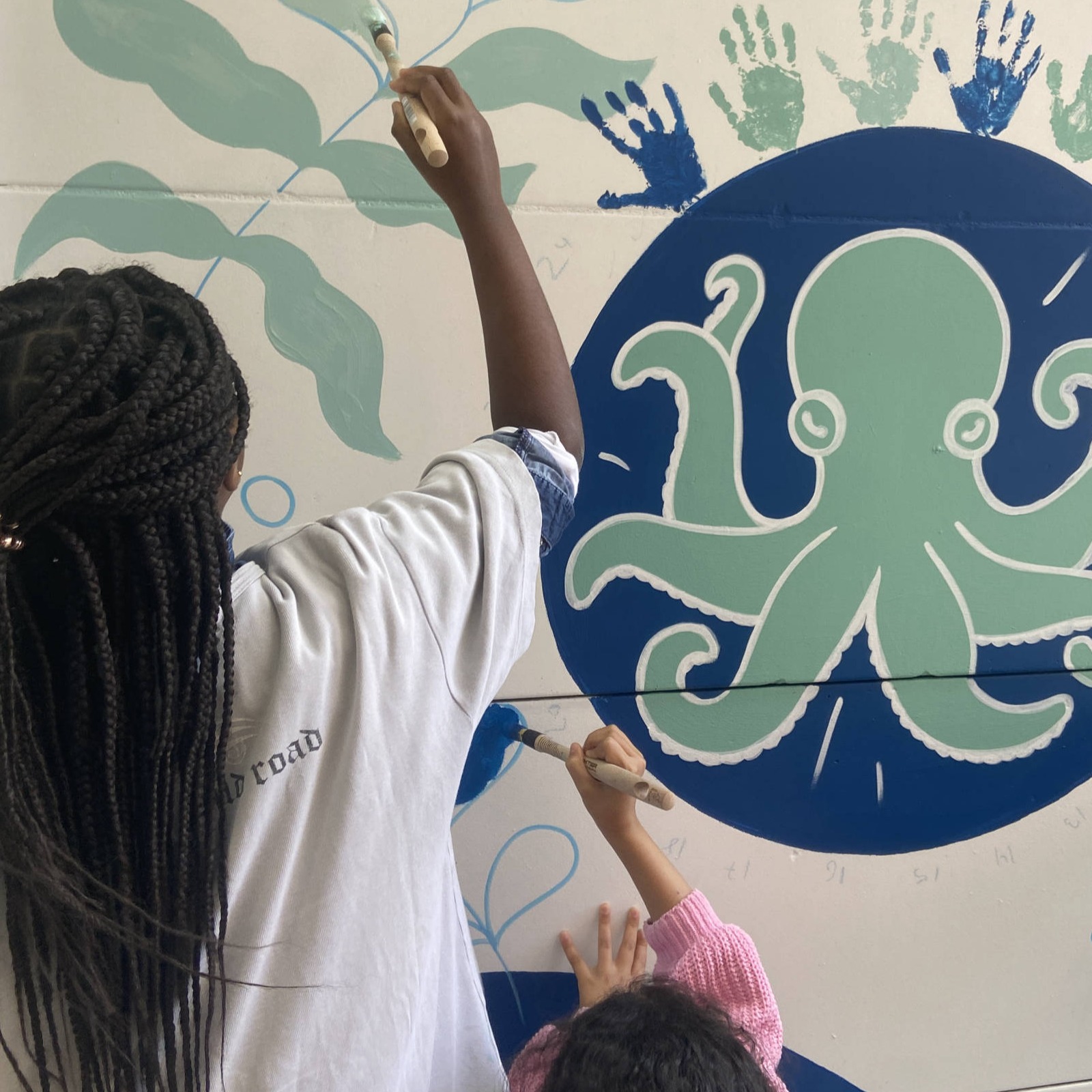
This project was a true collaboration between art, education, and environmental awareness. Each class chose a marine animal they wanted to protect, and together we transformed their ideas into a large-scale ocean artwork. More than 200 children, from petite section (kindergarten) to CM2 (the final year of primary school), participated in bringing the mural to life across 20 panels, each approximately 2 metres wide, creating a 40-metre-long ocean scene.

For this project, I adapted my artistic style to create a simple, playful, and child-friendly design. The mural was pre-designed and traced onto the walls, but the ideas and messages came from the children. Together, we explored what they wanted to protect, why these animals matter, and how their artwork could inspire others to care for our oceans. The final mural was painted using eco-friendly paint made from algae, adding another meaningful connection to the project.

The artistic workshop took place over two weeks. During the first week, I prepared the walls and pre-traced the different elements of the design, creating a structure that allowed every child to participate and contribute confidently. During the second week, the whole school joined the project. Each day was divided into three sessions, with each class spending two hours with me to paint and bring their chosen elements to life. Every child had the opportunity to add their own touch to the mural and become part of this collective artwork.

From the first conversations in November to the final brushstrokes in April 2025, this has been a beautiful journey. Seeing the children’s enthusiasm, creativity, and pride as the mural came together was incredibly moving. I hope this artwork will remain for many years as a reminder of their creativity and a symbol of their commitment to protecting what keeps us alive: our ocean.

I am offering schools the opportunity to create their own environmental mural projects. Each mural is designed as a collaborative experience where students contribute their ideas, learn about environmental topics, and become part of a collective artwork that raises awareness within their school community. If your school would like to explore creating an ocean, nature, or environmental mural, please get in touch. Together, we can create an artwork that inspires, educates, and leaves a lasting positive impact.

FOLLOW MY WORK!

© Copyright 2026 Janina Rossiter - All Rights Reserved